From rapid tooling to low-volume production, we turn your designs into high-quality parts with Injection Molding, Vacuum Casting, and custom finishing. Fast quotes, global delivery.
In-House CNC Factory for Fast, Reliable Production
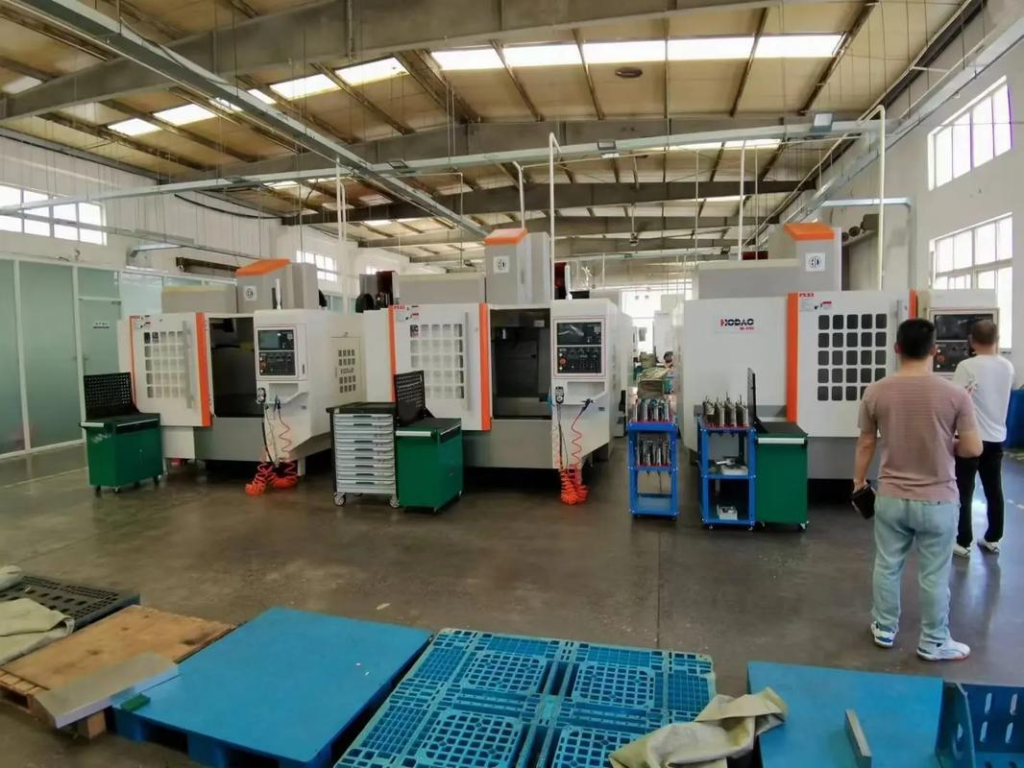
Our in-house CNC machining factory features advanced milling, turning, and multi-axis equipment to support prototype and production orders with fast turnaround times.
We process aluminum, stainless steel, copper, brass, titanium, and engineering plastics, delivering high-precision custom parts with reliable quality and on-time shipment worldwide.
Instant Injection Molding for Rapid Production Scaling
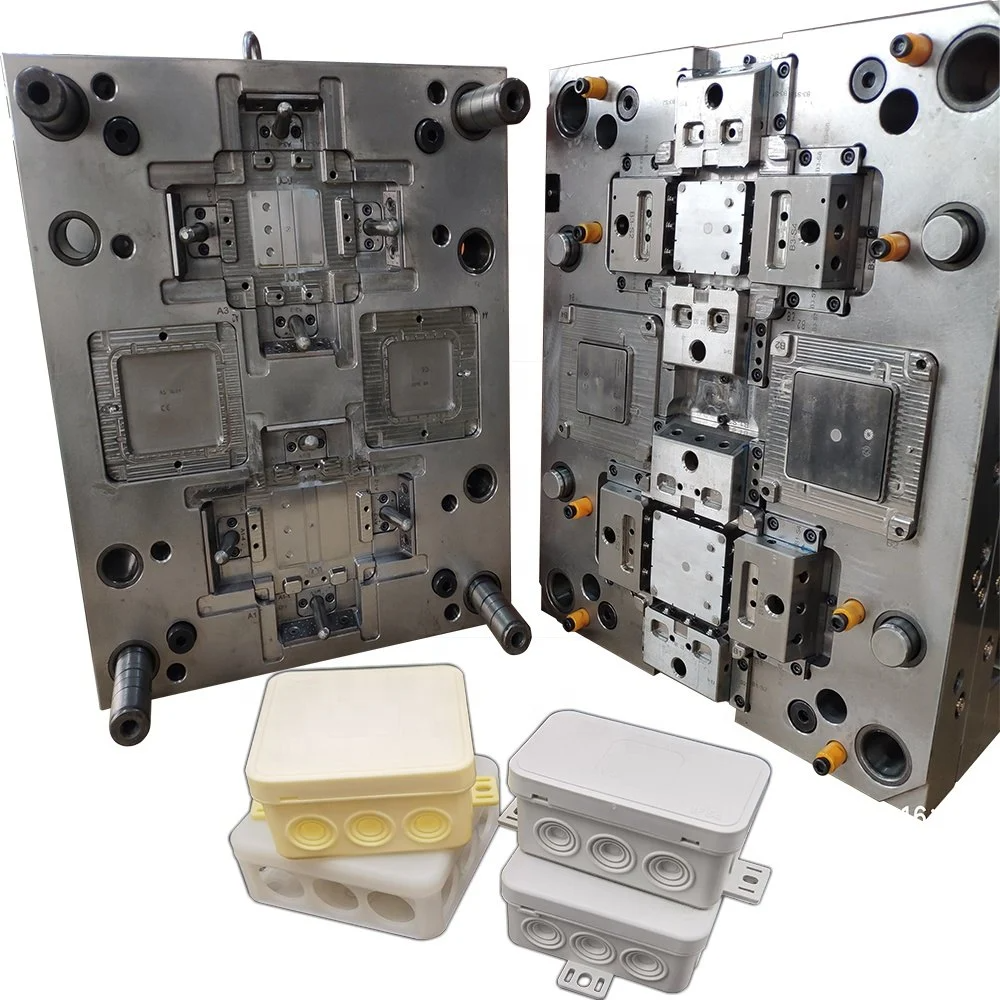
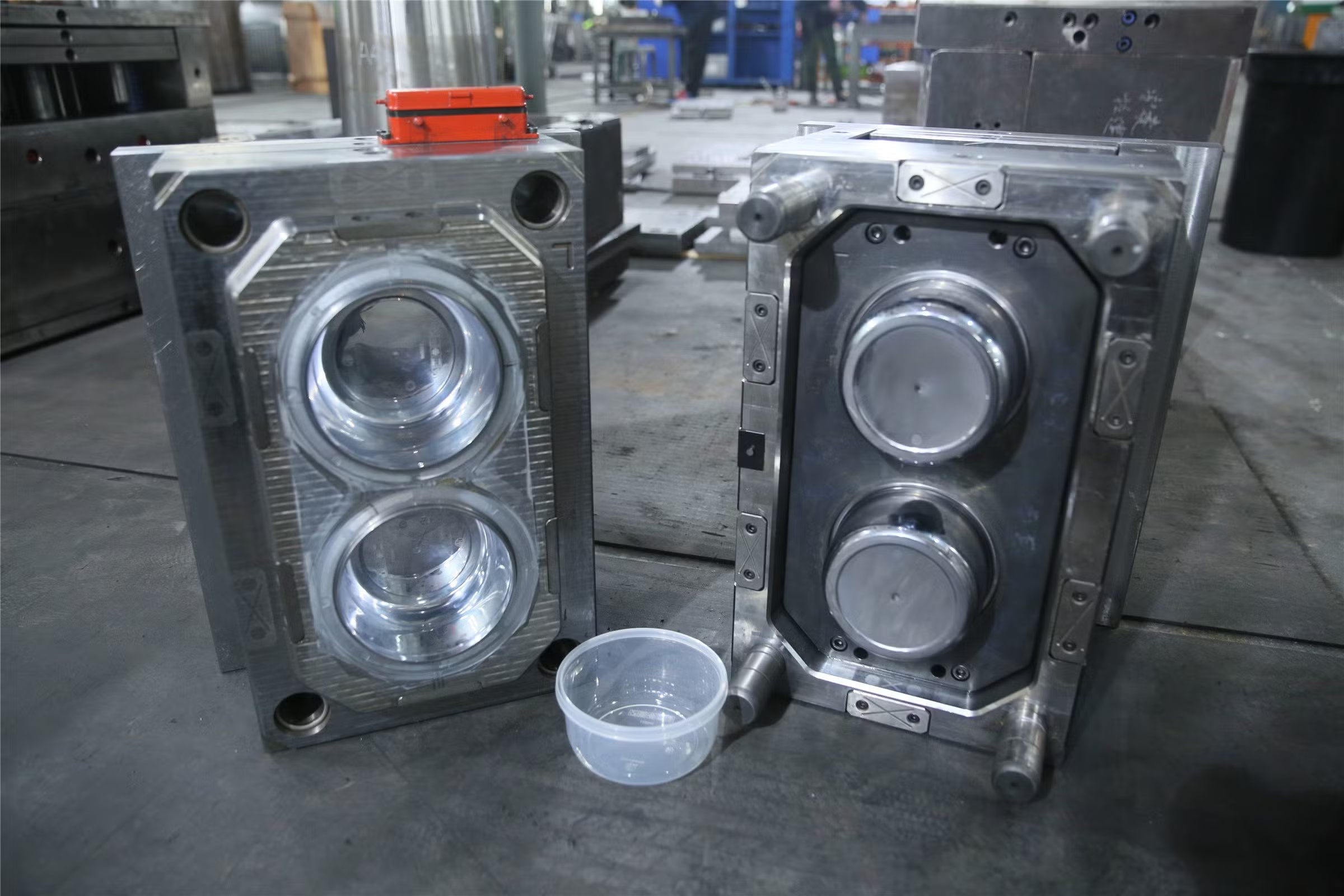
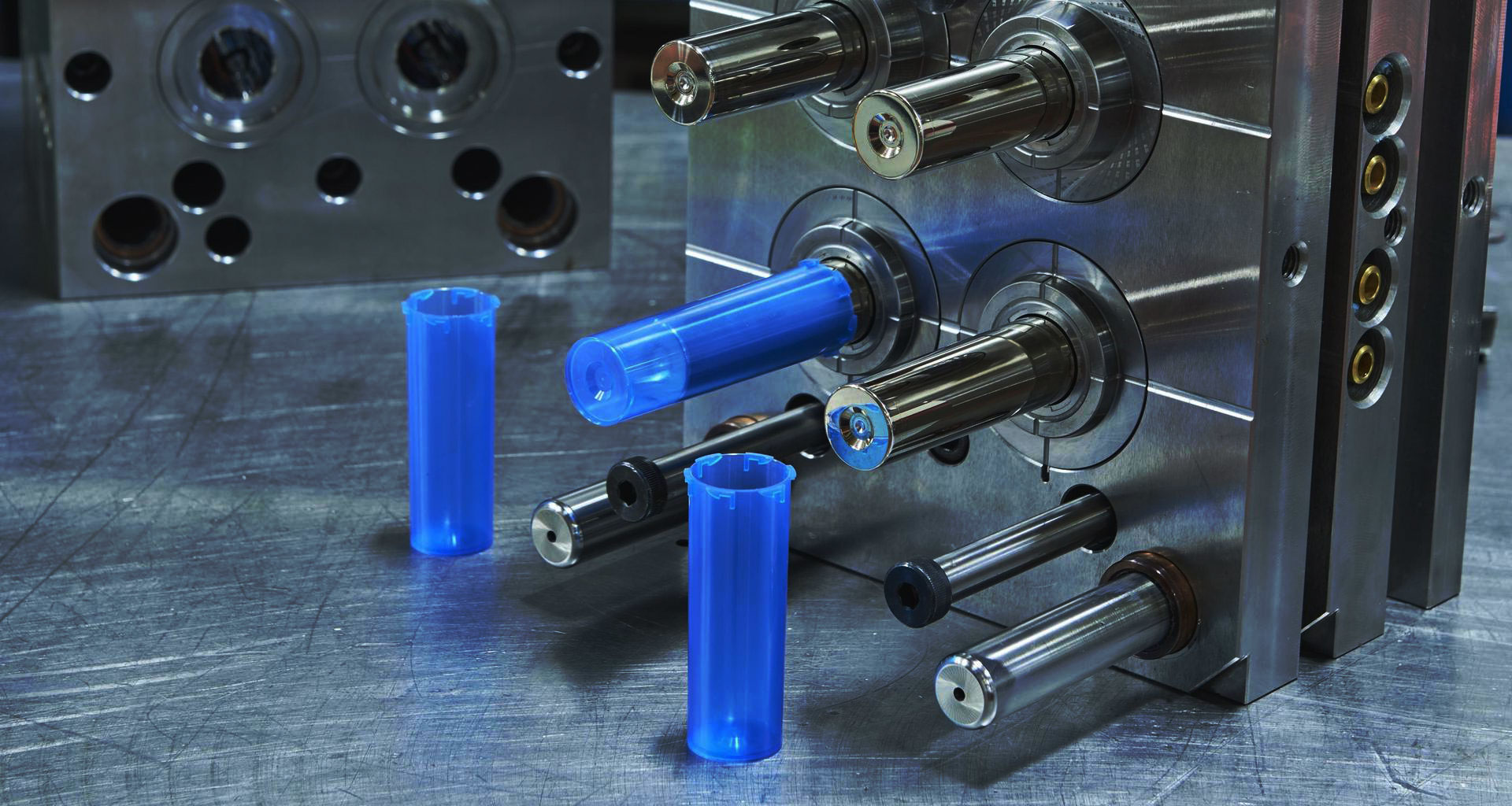
Accelerate product development and production with high-quality injection molding services. We support rapid prototyping and low-volume to mass production using production-grade tooling and engineering-grade materials. Key Advantages Zero to low tooling cost optimization options Scalable from prototype to mass production Fast turnaround for functional plastic parts Materials ABS, PC, PP, Nylon, POM, TPU, and more Lead Time Parts produced in as fast as 10–15 days
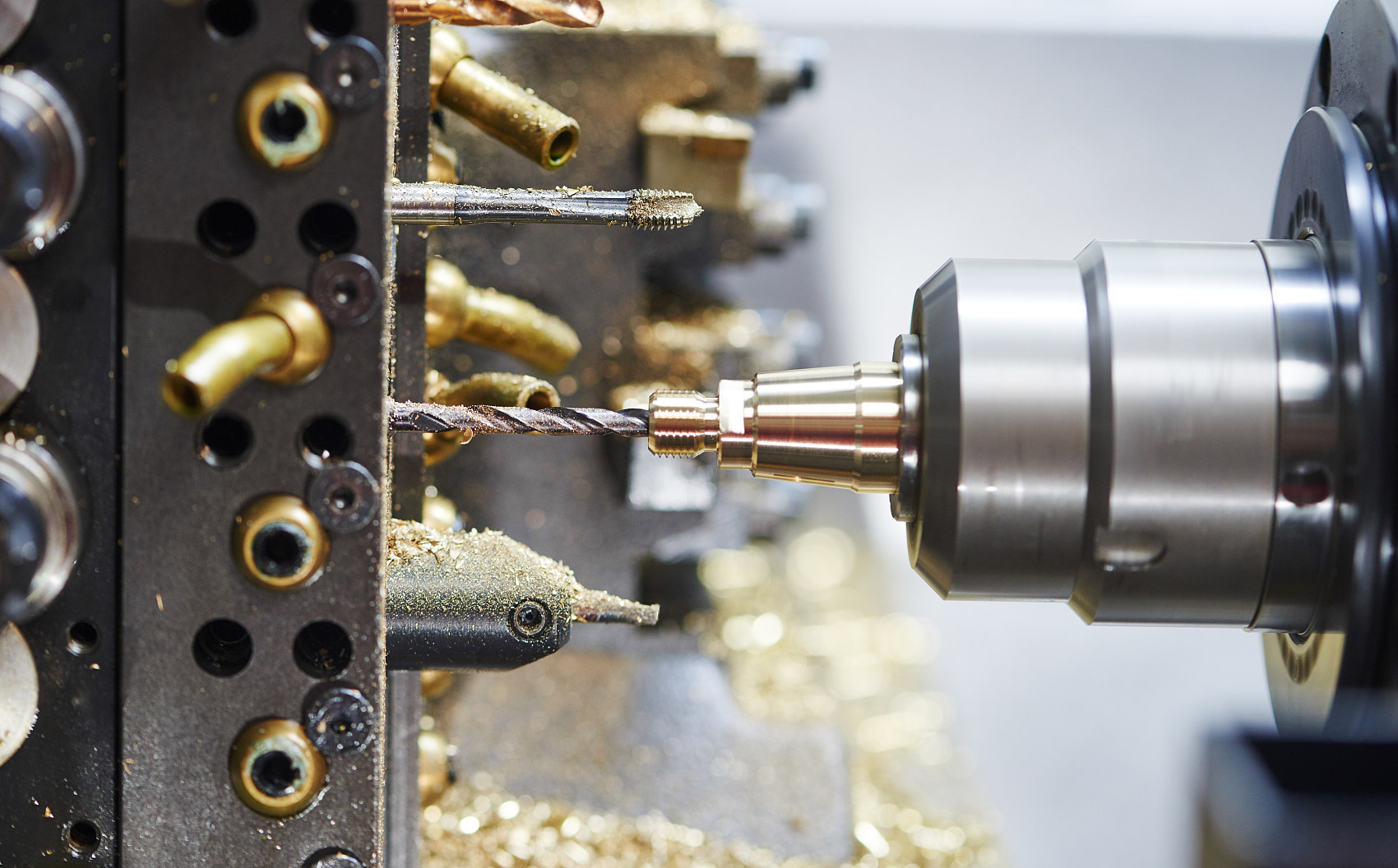
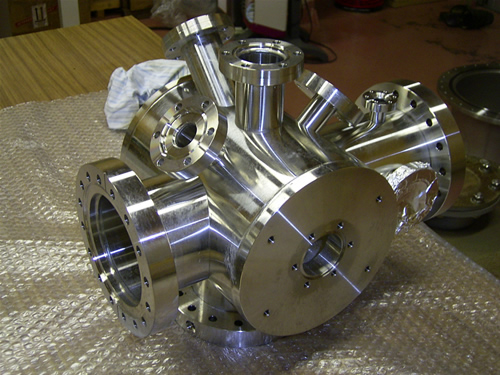
Manufacture high-precision metal and plastic components with advanced CNC milling, turning, and multi-axis machining systems. Ideal for prototypes and end-use production parts requiring tight tolerances. Key Advantages Tight tolerance manufacturing up to ±0.01 mm Fast digital manufacturing workflow Supports complex geometries and custom designs Materials Aluminum, Stainless Steel, Brass, Titanium, Engineering Plastics Lead Time As fast as 1–5 days
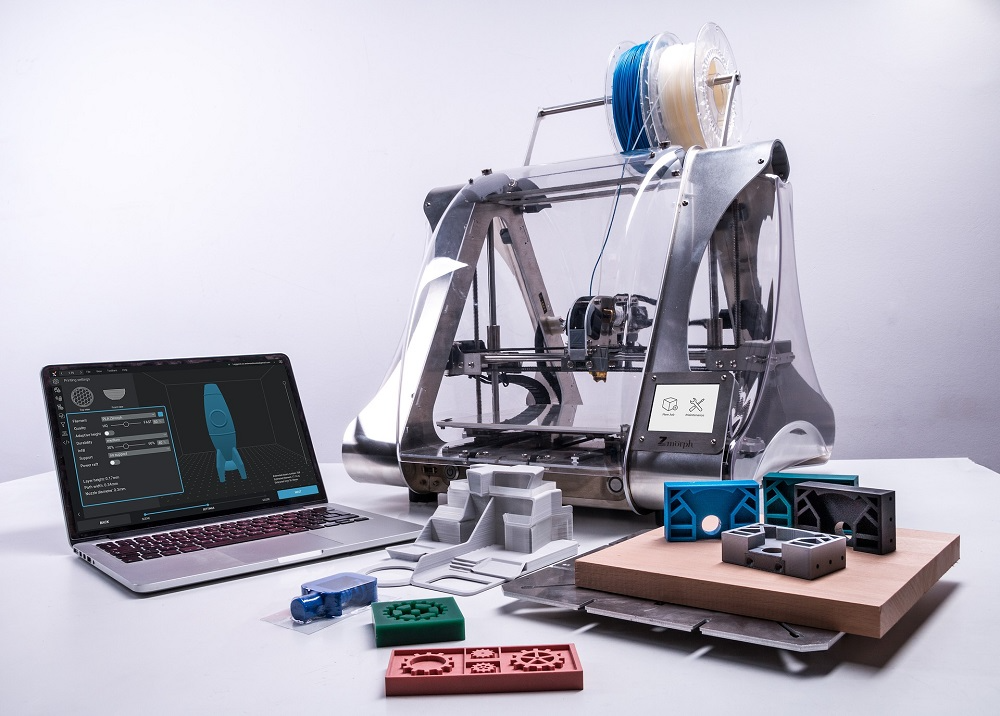
Iterate faster with industrial-grade additive manufacturing. Produce functional prototypes and end-use parts without tooling, reducing development time and cost. Technologies Included SLS, SLA, FDM, MJF, DMLS Material Nylon, ABS, TPU, Resin, Stainless Steel Lead Time Parts available in as little as 24–72 hours
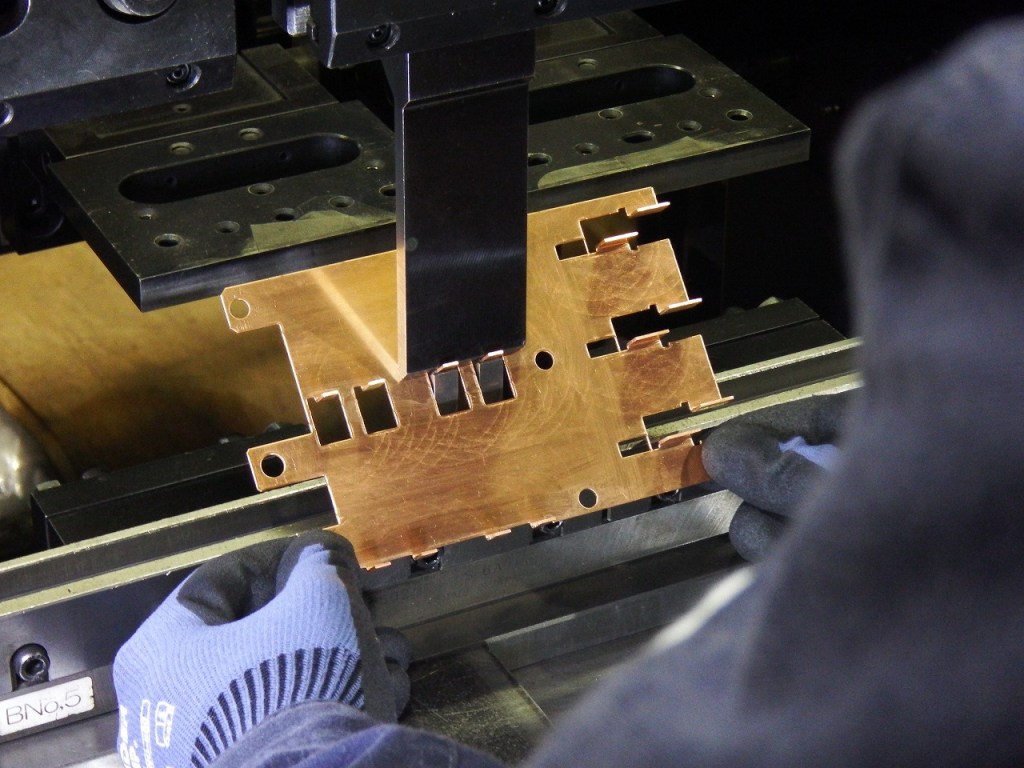
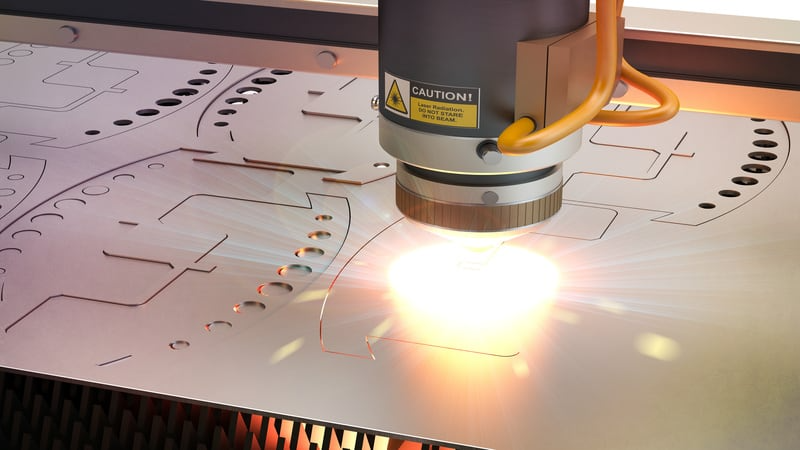
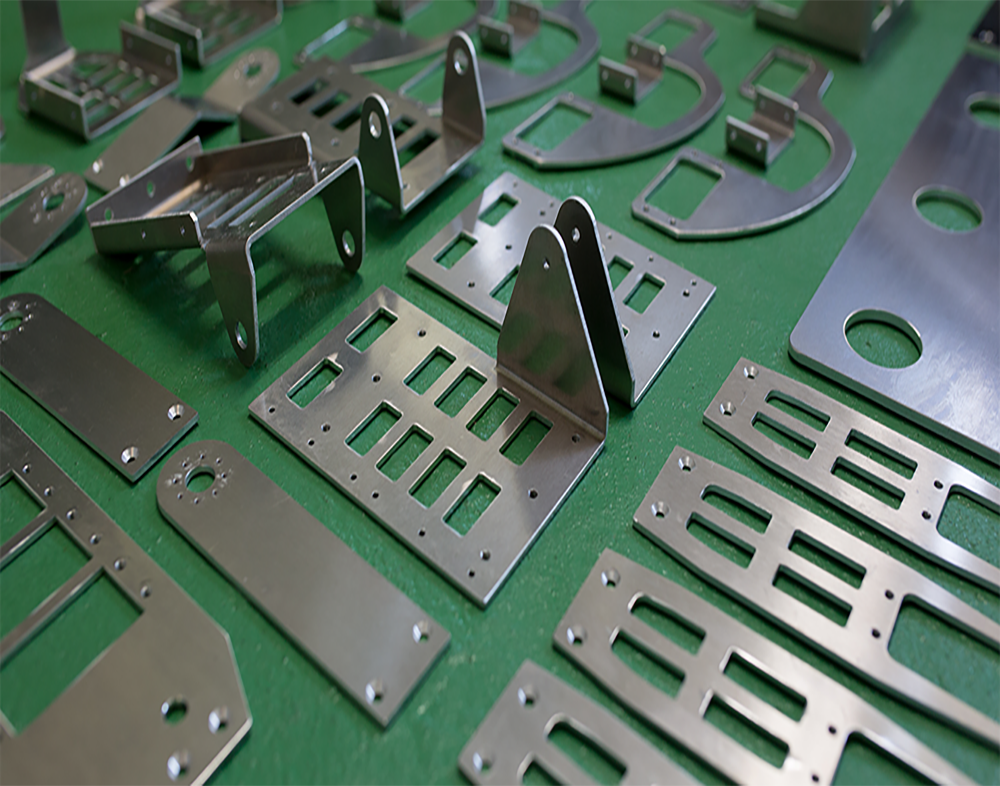
Precision sheet metal solutions including laser cutting, bending, welding, and assembly for industrial-grade components and enclosures. Capabilities Laser Cutting / CNC Bending / Welding / Surface Finishing Materials Stainless Steel, Aluminum, Carbon Steel, Copper Lead Time 3–7 Days Typical Production
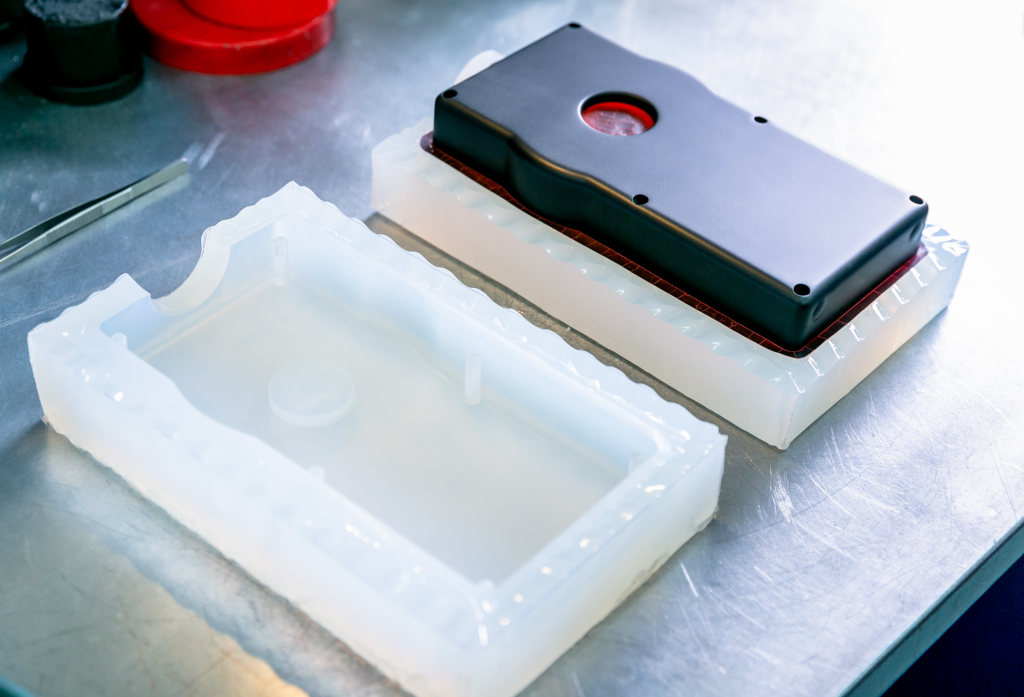
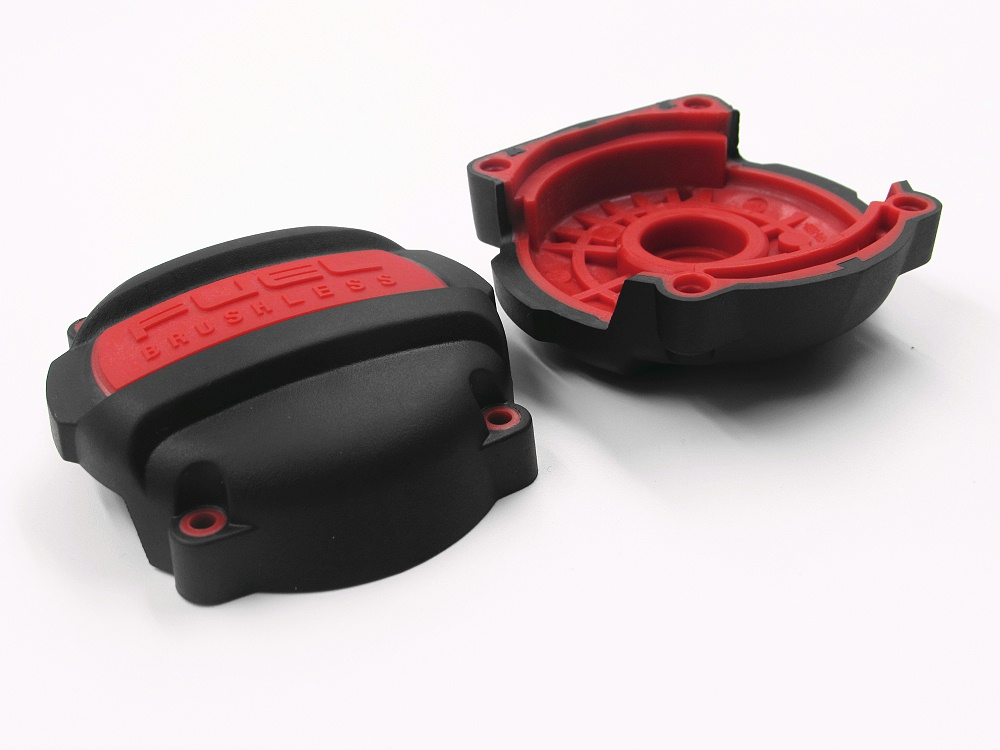
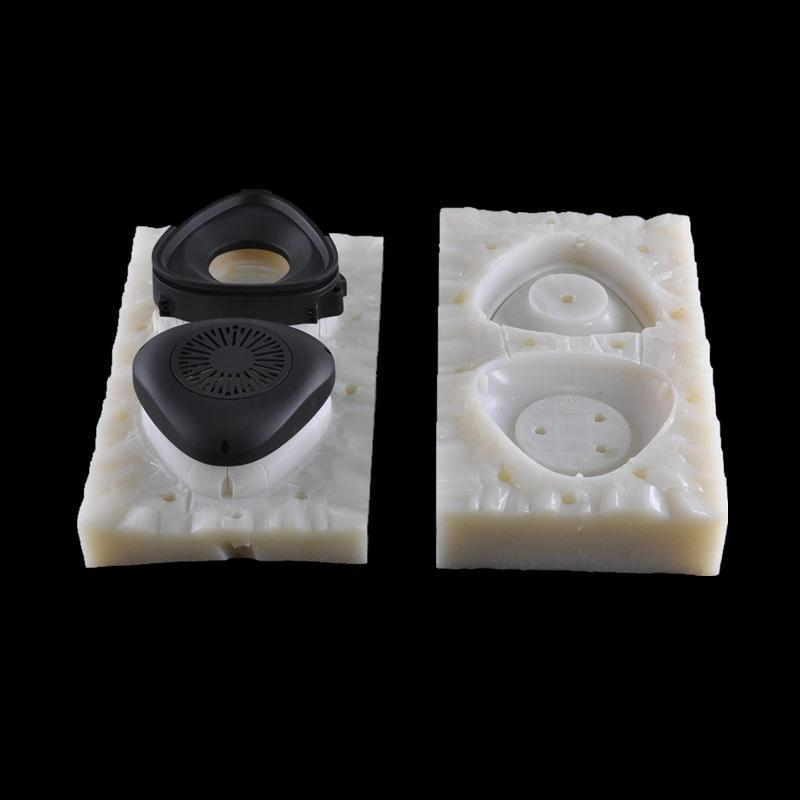
Low-volume production and high-quality prototypes with injection-molded part appearance.
Produce durable prototype and bridge-production parts quickly with urethane casting services. Ideal for low-volume runs, design validation, and pre-production testing without the cost of steel tooling. Key Advantages Excellent surface finish and production-like quality Cost-effective for 10–100 units Fast turnaround for market testing Ideal bridge to injection molding Materials PU Resin, ABS-like, Rubber-like, Transparent Resin, High-Temp Resin Lead Time As fast as 5–10 days
Upload your CAD designs (STEP, STL) for a professional review. Our engineers provide a Free DFM Analysis to optimize your parts for CNC machining or injection molding, ensuring technical feasibility and cost-efficiency.
Get a detailed manufacturing quote within 24 hours. Our experts offer consultation on material selection (Aluminum, Steel) and surface finishes to meet your project’s budget and performance requirements.
Projects are executed in our ISO-certified facility using 3, 4, and 5-axis CNC machines. We provide real-time updates, CMM inspections, and T1 samples to guarantee your custom parts meet every specification.
We ensure fast global delivery of your custom parts. Every shipment includes a comprehensive Quality Assurance (QA) report and material certifications, securing our role as your reliable manufacturing partner.
Every mold and component is thoroughly inspected for accuracy, durability, and consistency—giving you dependable results from prototype to full-scale production.
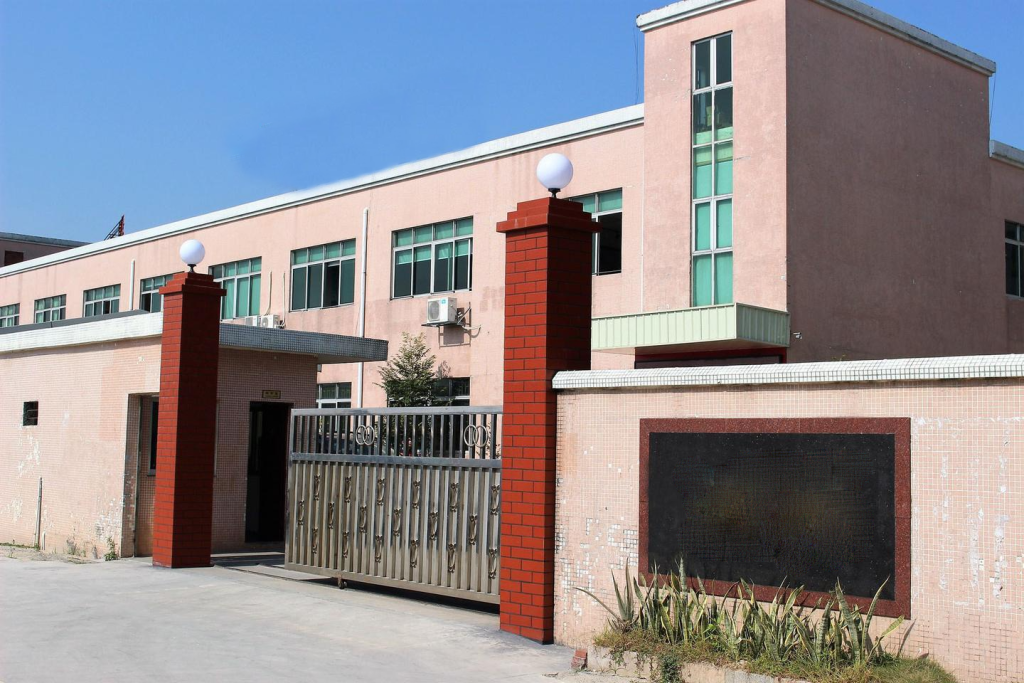
ZAROMOLD operates a modern in-house production facility equipped for CNC machining, injection mold tooling, rapid prototyping, and custom manufacturing. From prototype to production, we deliver consistent quality with efficient lead times.
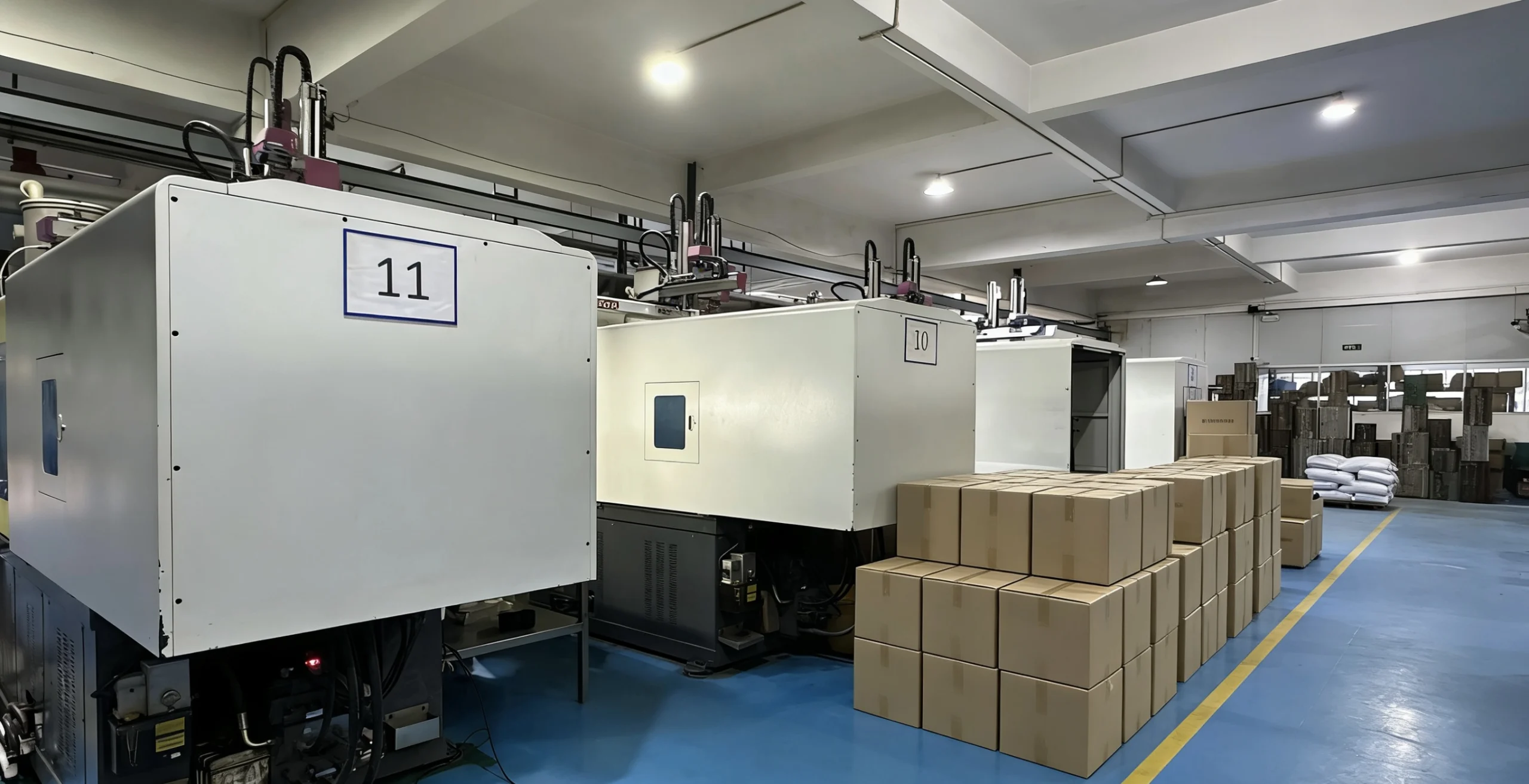
Injection Molding Production Line for High-Volume Manufacturing
This is our actual injection molding production floor, where experienced operators and automated machines work together to ensure consistent, high-quality output.
With multiple production lines running simultaneously, we are able to maintain stable capacity, strict quality control, and predictable delivery schedules for global customers.
Precision Manufacturing for Consumer Electronics
We produce high-precision housings, brackets, connectors, and custom components for fast-moving consumer electronics projects with excellent surface finish and tight tolerances.
From prototype parts to production tooling, we manufacture precision components for medical devices with consistent quality, strict tolerances, and dependable repeatability.
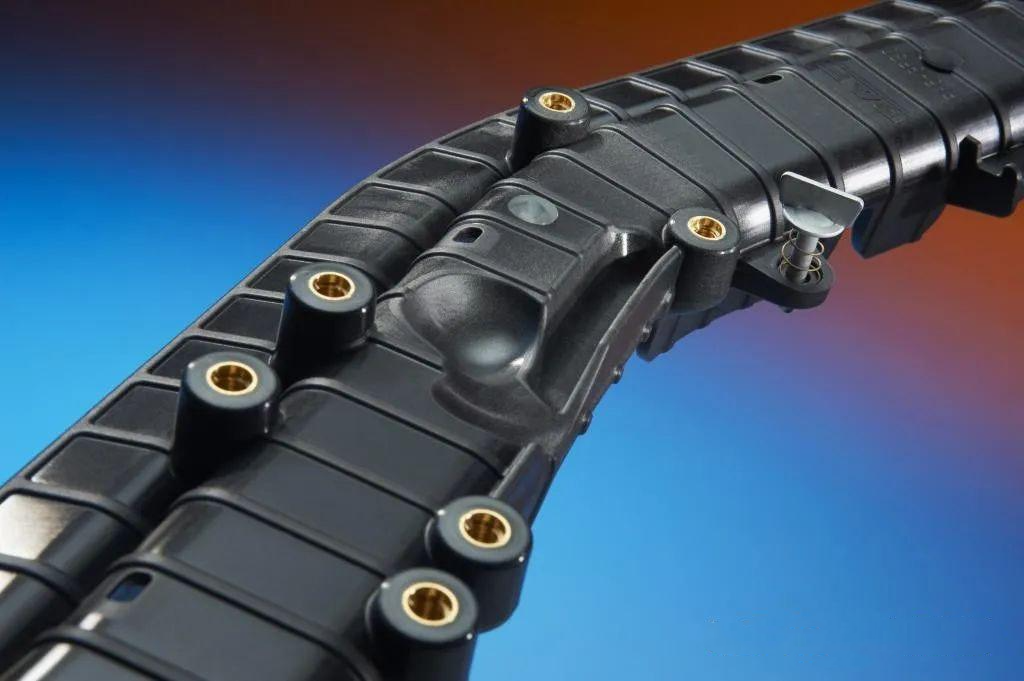
We support automotive programs with custom machined parts, tooling, and molded components built for strength, consistency, and scalable production performance.
We manufacture precision mechanical parts, fixtures, enclosures, and custom assemblies for industrial automation systems with rapid turnaround and engineering support.