



Custom Rapid Prototyping Services for CNC Machining, 3D Printing, Vacuum Casting & Low-Volume Manufacturing
Accelerate product development with fast-turnaround prototype manufacturing services. From CNC-machined prototypes and 3D-printed parts to prototype tooling and low-volume production, we help engineers and OEMs move from concept to market faster with precision, quality, and reliability.
What Is Rapid Prototyping?
Rapid prototyping is the process of transforming a digital design into a physical part quickly and cost-effectively, allowing engineers, product developers, and OEM manufacturers to evaluate form, fit, function, and performance before committing to full-scale production.
- Validate product design before production
- Identify engineering issues early
- Verify dimensions, tolerances, and assembly fit
- Test functionality and real-world performance
- Reduce tooling risks and development costs
- Accelerate product development cycles
- Improve product quality before launch
- Shorten time-to-market for new products
From Design to Prototype — ZaroMold Makes Product Development Faster
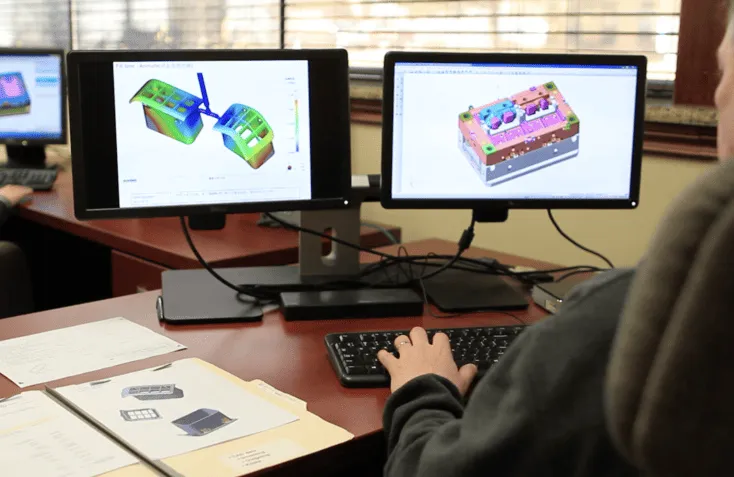
Simply upload your 2D drawings or 3D CAD files, and our engineering team will perform a comprehensive DFM review, evaluate manufacturability, recommend the optimal materials and manufacturing processes, and identify cost-saving opportunities before production begins.
What Sets ZaroMold Apart:
✔ Fast DFM Analysis & Engineering Support
✔ CNC Machining, 3D Printing & Prototype Tooling Under One Roof
✔ Metal, Plastic & Silicone Prototype Manufacturing
✔ Functional Prototypes & Engineering Validation Builds
✔ Certified Quality Control & Full CMM Inspection Reports
✔ Tight Tolerances and Production-Ready Accuracy
✔ Rapid Turnaround from Prototype to Low-Volume Production
Our Rapid Prototyping Capabilities
ZaroMold offers a complete range of rapid prototyping services to transform your concepts, CAD designs, and engineering ideas into high-quality functional parts quickly and cost-effectively.
CNC Rapid Prototyping Services
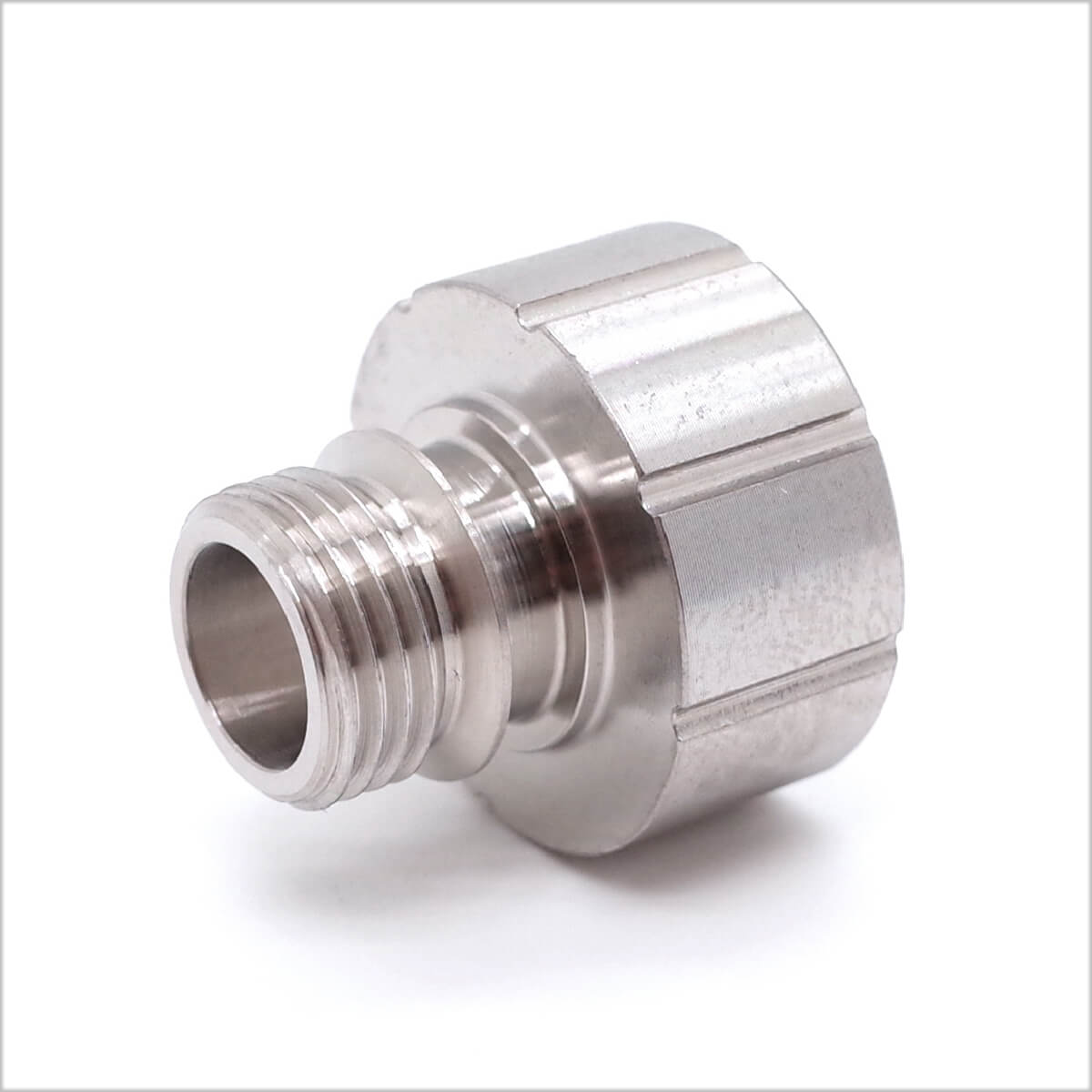
Transform CAD designs into high-precision functional parts with our advanced CNC rapid prototyping services. We offer 3-axis, 4-axis, and 5-axis CNC milling and turning with tolerances as tight as ±0.005 mm, making CNC machining ideal for engineering validation, product testing, and production-grade prototypes.
3D Printing Rapid Prototyping
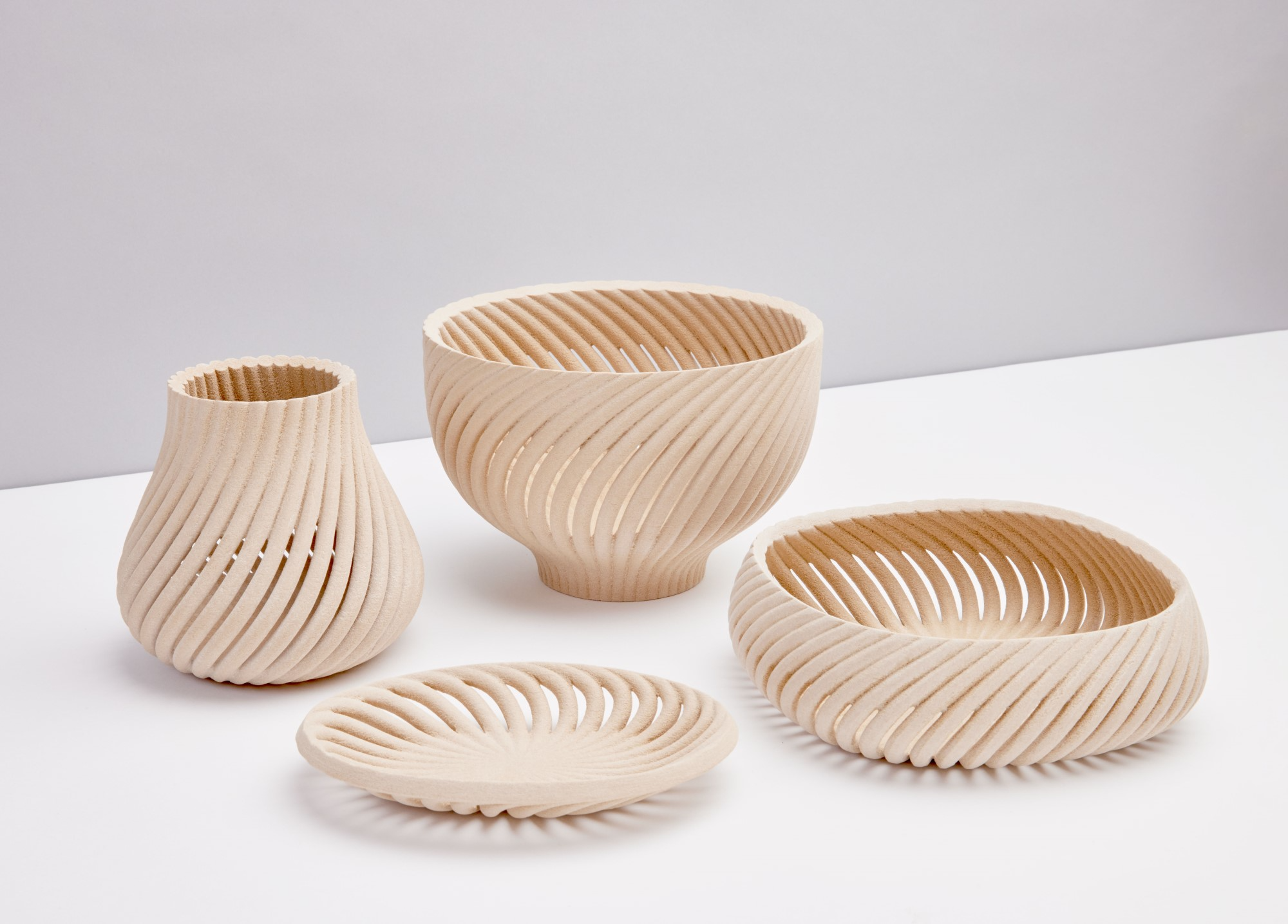
Accelerate product development with professional 3D printing services including SLA, SLS, FDM, and MJF technologies. Produce complex geometries, lightweight structures, and highly detailed prototype parts in as little as 1–3 business days.
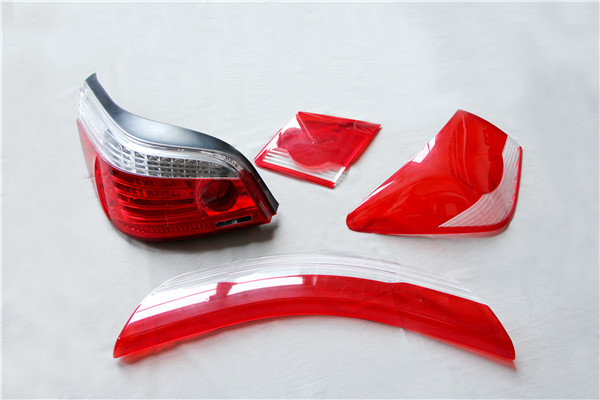
Vacuum Casting Prototype Manufacturing
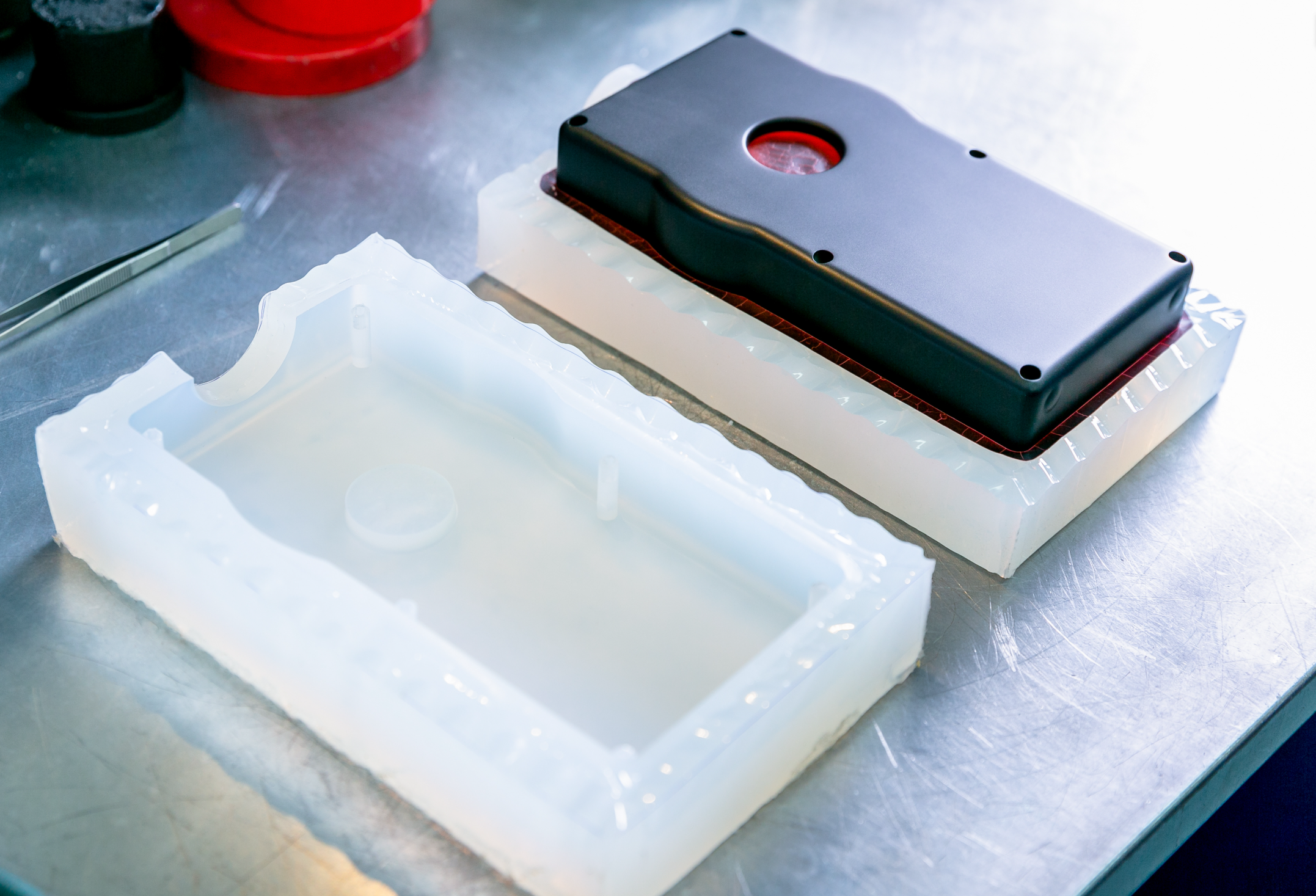
Our vacuum casting services provide a cost-effective solution for low-volume production and pre-production validation. Using silicone molds and polyurethane materials, vacuum casting delivers injection-molding-like appearance, surface quality, and functionality without the cost of production tooling.
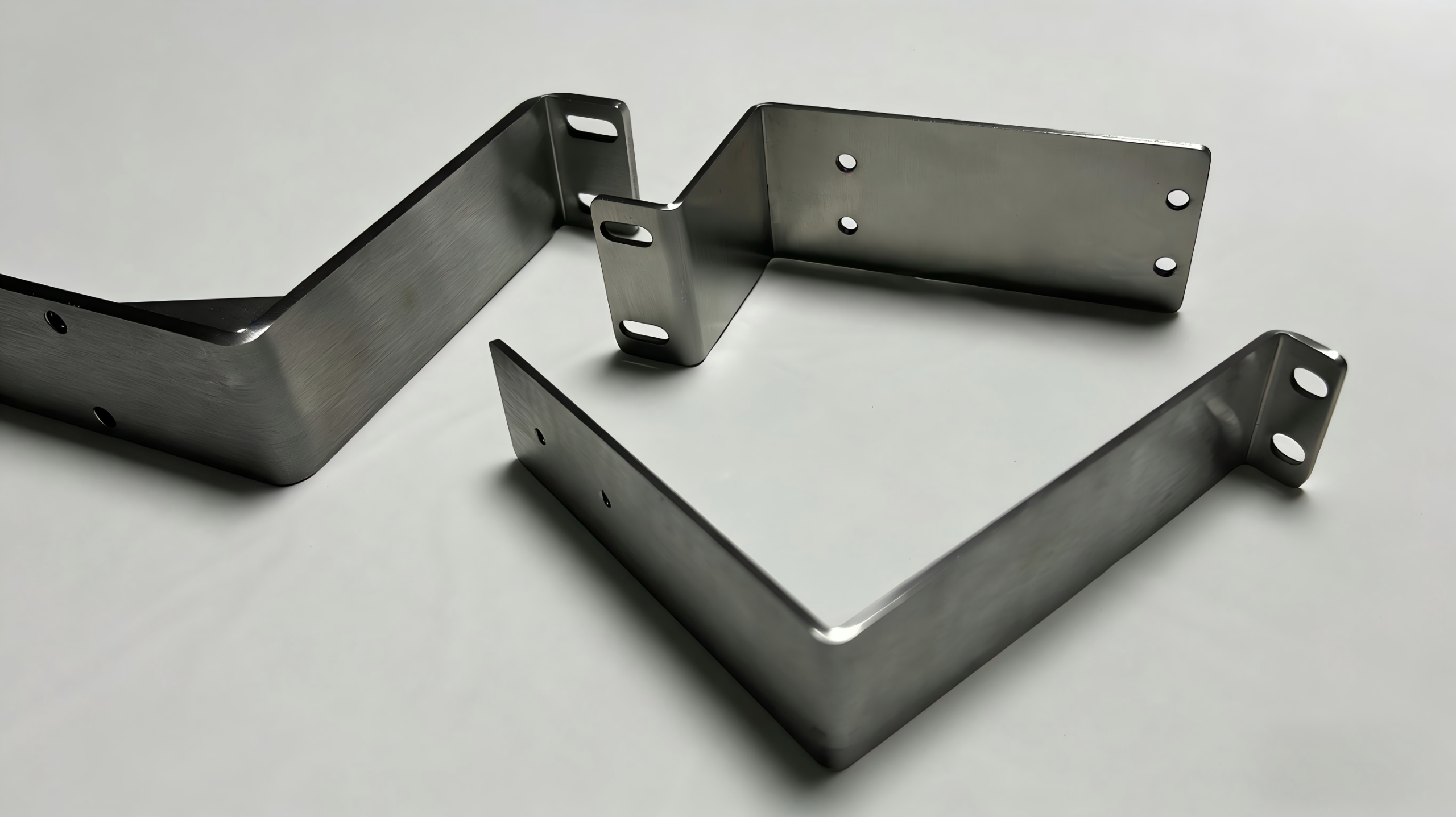
Rapid Sheet Metal Prototyping
Produce high-quality sheet metal prototypes quickly with our rapid sheet metal fabrication services. We offer laser cutting, CNC bending, welding, and finishing processes to manufacture enclosures, brackets, panels, and structural components ready for assembly and performance testing.
Start Your Rapid Prototyping Project Today
Upload your CAD files and receive a DFM review and quotation within 24 hours. Once approved, production starts immediately, with prototype parts delivered in as fast as 3–7 days.
Rapid Prototyping Surface Finishing Options
Improve prototype aesthetics, surface quality, and functional performance with advanced finishing solutions. From polishing and painting to anodizing and plating, we deliver production-grade finishes for rapid prototyping and low-volume manufacturing.
| Surface Finish Option | Process Description | Typical Applications / Advantages |
|---|---|---|
| Polishing | Mechanical finishing using abrasive compounds to achieve a high-gloss surface. | Ideal for applications with high cosmetic requirements, such as medical devices and consumer products. |
| Sandblasting / Bead Blasting | A blasting process that propels fine media particles onto the surface to produce a uniform matte or textured finish. | Used to create uniform, non-reflective textures that improve coating adhesion or visual appearance. Widely applied in automotive and aerospace industries. |
| Anodizing | An electrochemical process that increases the thickness of the natural oxide layer on aluminum surfaces. | Commonly used in aerospace, automotive, and electronics industries for its corrosion resistance, durability, and aesthetic appeal. |
| Electroplating | A process that uses electric current to deposit a metal layer (e.g., nickel, chromium) onto the part surface. | Enhances corrosion resistance, wear resistance, and aesthetics. Widely used in automotive and electronics industries. |
| Coating (Powder Coating / PVD) | Application of a thin protective coating layer to enhance durability and appearance. | Protects parts from corrosion and wear while providing a long-lasting surface finish. Widely used in automotive, electronics, and aerospace sectors. |
| Heat Treatment | A thermal process that alters the physical properties of metal through controlled heating and cooling cycles to increase surface hardness. | Suitable for parts requiring high hardness, strength, and wear resistance, such as gears, shafts, and cutting tools. |
| Passivation | A chemical process that removes free iron from stainless steel surfaces to form a passive oxide layer. | Enhances corrosion resistance; especially suitable for medical and food-grade components. |
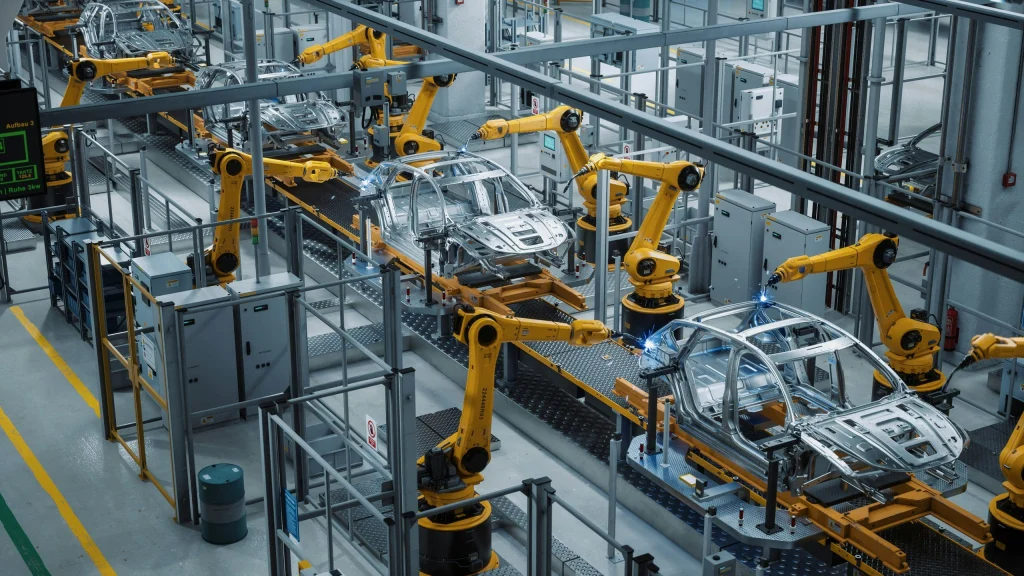
Automotive Rapid Prototyping
Rapid prototyping enables automotive engineers to accelerate product development, validate design performance, and reduce engineering risk across EV systems, powertrain components, chassis assemblies, and next-generation mobility solutions.
Key Applications:
EV battery enclosures, motor housings, transmission components, sensor brackets, cooling plates, automotive connectors, structural brackets, test fixtures, charging system components, and autonomous driving hardware.
Benefits:
- Fast validation of fit, form, function, and assembly performance
- High-precision prototype parts for complex automotive systems
- Thermal, structural, and vibration testing before production tooling
- Tight tolerances for multi-component automotive assemblies
- Rapid design iterations supporting EVT, DVT, and PVT development stages
- Reduced development costs and faster time-to-market for automotive OEMs and Tier 1 suppliers
- Seamless transition from prototype manufacturing to low-volume and mass production
Semiconductor Rapid Prototyping
Rapid prototyping for semiconductor equipment enables engineers to validate ultra-precision components, optimize system performance, and accelerate development of advanced wafer processing and cleanroom manufacturing systems.
Key Applications:
Wafer handling fixtures, alignment fixtures, vacuum chamber components, precision mounts, semiconductor tooling, robotic handling systems, inspection fixtures, and cleanroom automation parts.
Benefits:
- Ultra-tight tolerances for precision alignment and motion control
- Burr-free, contamination-free surfaces suitable for cleanroom environments
- High-accuracy prototype parts for semiconductor equipment validation
- Rapid engineering iterations for tooling development and process optimization
- Reduced development time for semiconductor manufacturing systems
- Fast transition from prototype validation to production-ready components
Renewable Energy Rapid Prototyping
Rapid prototyping accelerates innovation in renewable energy by enabling fast validation of precision components for battery systems, solar energy equipment, hydrogen technologies, and energy storage solutions.
Key Applications:
Battery module prototypes, cooling plates, power electronics housings, inverter enclosures, energy converter brackets, charging system components, connectors, and structural assemblies.
Benefits:
- Functional prototypes for thermal, structural, and load testing
- Precision-fit components for battery and energy storage systems
- Faster design validation for renewable energy technologies
- Accelerated product development and engineering optimization
- Reduced project risk before production tooling investment
- Improved performance validation under real-world operating conditions
Industrial Automation Rapid Prototyping
Rapid prototyping helps automation engineers evaluate mechanical performance, assembly integration, and motion reliability before moving into production.
Key Applications:
Sensor brackets, actuator housings, mounting plates, coupling joints, bearing housings, robotic fixtures, automation tooling, machine components, and precision assemblies.
Benefits:
- Fast iteration of mechanisms and automation system designs
- Precision tolerances for smooth, vibration-free operation
- Durable prototypes suitable for cycle and endurance testing
- Improved assembly validation and equipment integration
- Reduced engineering changes during production launch
- Faster development of industrial automation systems
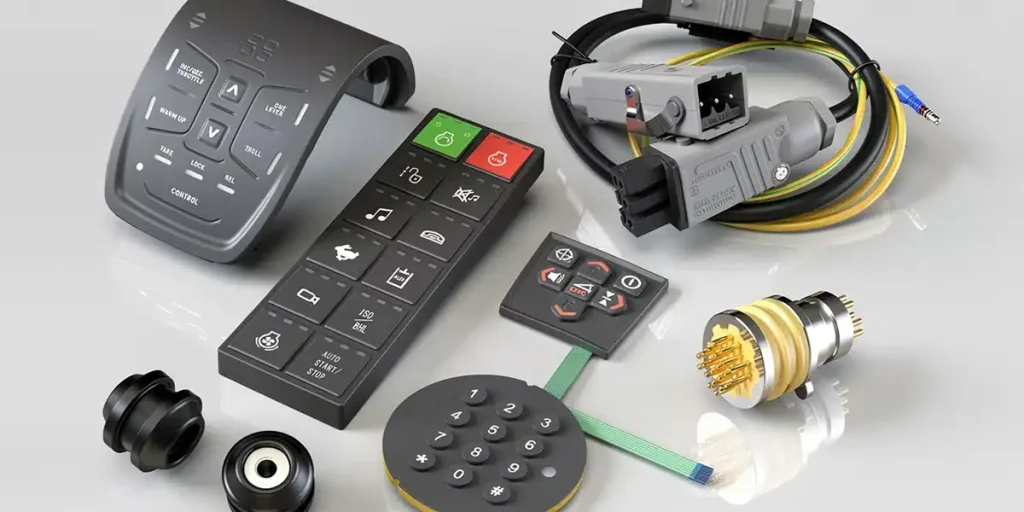
Electronics Rapid Prototyping
Rapid prototyping supports the fast-paced electronics industry with high-precision components that enable rapid design validation, assembly testing, and product optimization.
Key Applications:
Smartphone housings, laptop chassis, camera brackets, thermal management components, aluminum bezels, audio connectors, wearable devices, and consumer electronic enclosures.
Benefits:
- Premium appearance models for industrial design validation
- High-precision miniature features for internal component integration
- Rapid design updates throughout product development cycles
- Functional testing for electronic assemblies and enclosures
- Faster product launches in competitive consumer markets
- Production-quality prototypes for engineering validation
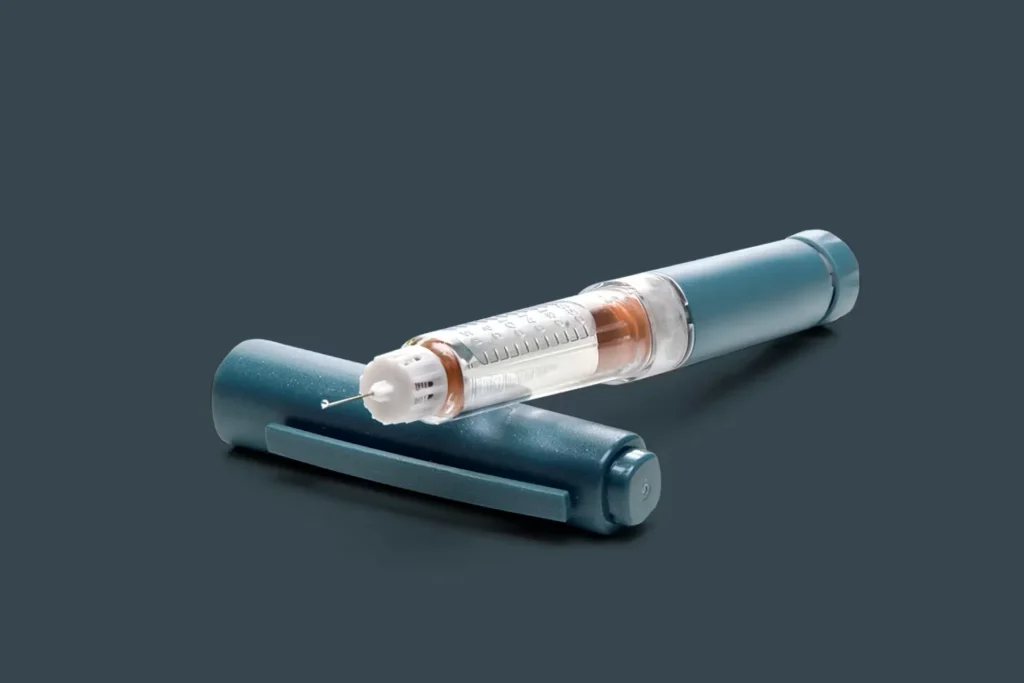
Medical Device Rapid Prototyping
Rapid prototyping enables medical device manufacturers to validate designs quickly using CNC machining, 3D printing, and vacuum casting technologies while maintaining exceptional precision and quality.
Key Applications:
Orthopedic implant prototypes, surgical instruments, diagnostic device housings, bone screws, medical connectors, laboratory equipment, and handheld healthcare devices.
Benefits:
- Precision prototypes for ergonomic and functional testing
- Fine details and smooth surfaces for medical applications
- Material options suitable for early-stage validation
- Reliable tolerances for assemblies and snap-fit designs
- Faster design verification and regulatory preparation
- Reduced development costs and accelerated product launches
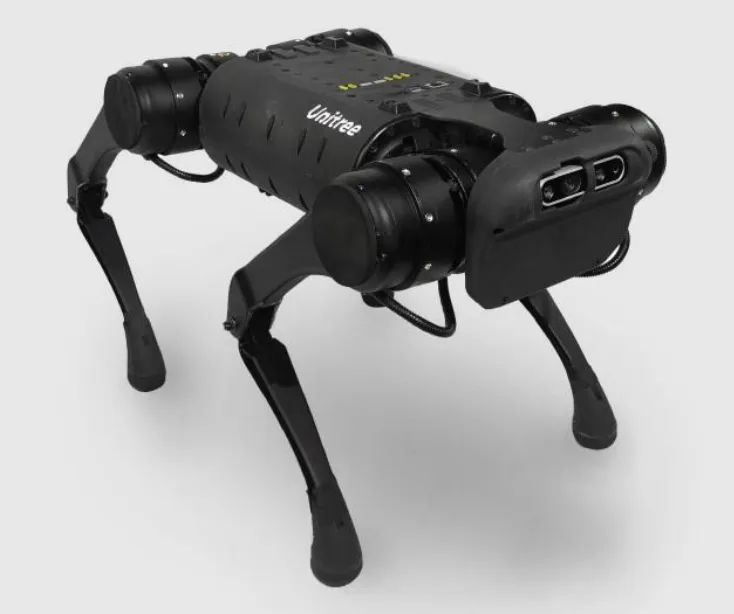
Robotics Rapid Prototyping
Rapid prototyping helps robotics engineers accelerate development by producing lightweight, high-strength components for motion systems, automation platforms, and intelligent robotic equipment.
Key Applications:
Robot joints, servo motor shafts, gear housings, end effectors, precision gears, robotic arms, structural frames, base plates, and motion control assemblies.
Benefits:
- Lightweight, high-strength prototype parts for dynamic applications
- Tight tolerances for joints, gears, and kinematic systems
- Rapid design iterations for motion optimization and testing
- Improved performance validation before production
- Faster development of robotic and automation systems
- Seamless transition from prototype to low-volume production
Why Choose ZaroMold for Rapid Prototyping & Precision Manufacturing?

Fast Turnaround Prototyping
Accelerate product development with rapid prototyping services delivered in as fast as a few business days. Our streamlined manufacturing workflow helps engineers move from CAD design to functional prototype quickly, reducing development cycles and speeding up time-to-market.

Precision Prototype Manufacturing
Advanced 3-axis, 4-axis, and 5-axis CNC machining centers, mill-turn equipment, and precision grinding capabilities enable the production of high-accuracy prototype parts with tight tolerances for demanding engineering applications.
Cost-Effective Product Development
We select the most efficient manufacturing process based on your design requirements, material selection, production quantity, and functional objectives—helping reduce prototype costs while maintaining quality and performance.
One-Stop Rapid Prototyping Solutions
From CNC machining and 3D printing to vacuum casting, sheet metal fabrication, surface finishing, and low-volume manufacturing, we provide complete prototype-to-production solutions under one roof.

Certified Quality Control
Every prototype part undergoes rigorous inspection using advanced metrology equipment, including CMM measurement systems, precision calipers, micrometers, and process-based quality verification to ensure dimensional accuracy and manufacturing consistency.

Engineering & DFM Expertise
Our engineering team works closely with you from the beginning of the project, providing DFM analysis, material recommendations, tolerance optimization, and manufacturing guidance to improve product performance, reduce production risks, and accelerate successful product launches.
Overmolding FAQ | Common Questions About Custom Overmolding Services
1. What Is Rapid Prototyping?
Rapid prototyping is a manufacturing process used to quickly transform CAD designs into physical parts for design validation, functional testing, engineering evaluation, and pre-production verification. Technologies such as CNC machining, 3D printing, vacuum casting, and rapid tooling allow engineers to identify design issues early, reduce development costs, and accelerate time-to-market before committing to mass production.
2. How Fast Can I Get My Prototype?
Lead times depend on the manufacturing process, part complexity, material selection, and quantity required.
Typical lead times include:
- CNC Machining Prototypes: 3–7 business days
- 3D Printed Prototypes: 1–3 business days
- Vacuum Cast Parts: 7–15 business days
- Prototype Tooling & Injection Molded Parts: 2–6 weeks
For urgent projects, expedited manufacturing options may be available to help meet aggressive development schedules.
3. Which Rapid Prototyping Process Should I Choose?
The best prototyping method depends on your project requirements:
- CNC Machining – Best for high-precision functional prototypes and production-grade materials.
- 3D Printing – Ideal for complex geometries, visual models, and rapid design iterations.
- Vacuum Casting – Suitable for low-volume production and injection-molding-like parts.
- Rapid Tooling – Recommended for bridge production and pre-production validation.
Our engineering team can review your CAD files and recommend the most cost-effective manufacturing process based on your design, quantity, material, and performance requirements.
4. What Materials Can Be Used for Rapid Prototyping?
We support a wide range of engineering materials, including:
Metals
- Aluminum 6061, 7075
- Stainless Steel 303, 304, 316L
- Brass
- Copper
- Titanium
- Tool Steel
Plastics
- ABS
- PC
- Nylon (PA)
- POM (Delrin)
- PMMA (Acrylic)
- PEEK
- PPS
- PP
- HDPE
3D Printing Materials
- Standard Resins
- Tough Resins
- Flexible Resins
- Nylon Powders
- Engineering Polymers
Material recommendations can be provided based on your application, testing requirements, and target production process.
5. Do You Offer Surface Finishing Services?
Yes. We provide a full range of prototype surface finishing services to improve appearance, durability, corrosion resistance, and functional performance.
Available finishing options include:
- Anodizing
- Hard Anodizing
- Powder Coating
- Painting
- Silk Screening
- Laser Engraving
- Bead Blasting
- Polishing
- Brushing
- Electroplating
- Chromate Conversion Coating
- Passivation
- Black Oxide
- Texturing
These finishes help create production-quality prototypes suitable for design reviews, customer presentations, engineering testing, and market validation.
6. Can Rapid Prototypes Be Used for Functional Testing?
Absolutely. Many rapid prototyping methods produce fully functional parts using production-grade materials. CNC machining, vacuum casting, and certain 3D printing technologies are commonly used for mechanical testing, assembly verification, thermal evaluation, and performance validation before production tooling is built.
7. Can You Support Low-Volume Production After Prototyping?
Yes. In addition to prototype manufacturing, we offer low-volume production, bridge manufacturing, injection molding, CNC machining, and full-scale production services. This allows you to move seamlessly from prototype development to mass production with a single manufacturing partner, reducing lead times and simplifying supply chain management.