

High-Performance Plastic Materials for Precision Injection Molding
We supply a wide range of engineering plastic materials for precision injection molding, custom plastic part manufacturing, and industrial mold production. Our high-quality resin granules, including ABS, PP, PE, PC, Nylon, and other thermoplastics, support complex molded components with excellent strength, dimensional stability, surface finish, and production consistency for automotive, electronics, medical, consumer, and industrial applications.
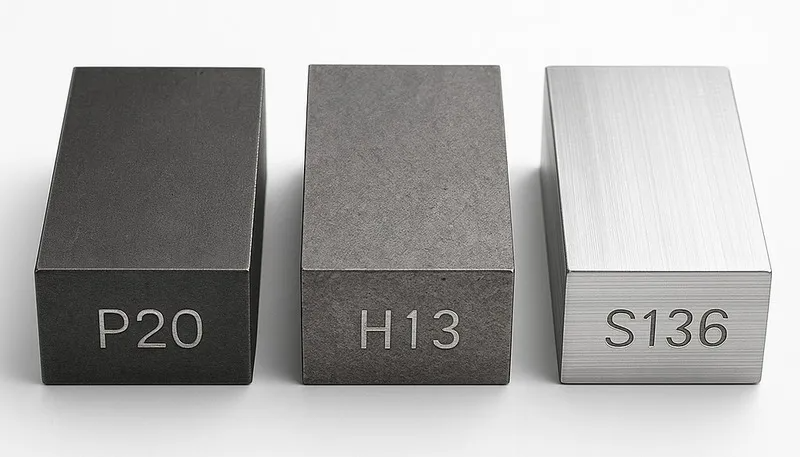
Professional Mold Steel Materials for Precision Injection Mold Manufacturing
We provide a wide selection of high-performance mold steel materials for precision injection mold manufacturing, plastic mold tooling, die casting molds, and custom industrial mold applications. Our commonly used mold steels include P20, H13, S136, NAK80, 718, and SKD61, offering excellent machinability, wear resistance, polishing performance, corrosion resistance, and long mold service life for high-precision production environments.
These premium mold steel materials are widely used in automotive molds, medical plastic molds, electronic housings, optical components, consumer products, and high-volume industrial injection molding applications.
Common Mold Steel Grades & Advantages
P20 Mold Steel
Key Advantages
- Excellent machinability for CNC mold manufacturing
- Good toughness and dimensional stability
- Suitable for medium and large injection molds
- Cost-effective for high-volume mold production
Typical Applications
Automotive interior molds, household appliance molds, plastic housings, and general injection mold tooling.
H13 Tool Steel
Key Advantages
- Outstanding heat resistance and thermal fatigue resistance
- High hardness and wear resistance
- Excellent durability under high-temperature molding conditions
- Suitable for die casting and high-pressure molds
Typical Applications
Die casting molds, hot runner systems, high-temperature injection molds, and industrial tooling.
S136 Stainless Mold Steel
Key Advantages
- Superior corrosion resistance
- Excellent mirror polishing performance
- High purity and dimensional stability
- Ideal for optical and medical-grade molds
Typical Applications
Medical molds, transparent plastic molds, optical lenses, cosmetic packaging, and precision electronic components.
NAK80 Pre-Hardened Mold Steel
Key Advantages
- Excellent polishability and engraving performance
- Uniform hardness without additional heat treatment
- Good wear resistance and machining efficiency
- Ideal for high-gloss plastic products
Typical Applications
Mirror-finish molds, cosmetic product molds, transparent plastic parts, and precision consumer products.
718 Mold Steel
Key Advantages
- Improved hardness and toughness compared to P20
- Excellent machinability and polishing properties
- Stable performance for large complex molds
- Suitable for long production runs
Typical Applications
Automotive molds, large plastic housings, appliance molds, and engineering plastic products.
SKD61 Tool Steel
Key Advantages
- Excellent thermal shock resistance
- High-temperature strength and durability
- Good wear resistance for demanding tooling applications
- Reliable for continuous production environments
Typical Applications
Die casting molds, aluminum casting molds, hot forging dies, and high-temperature industrial tooling.
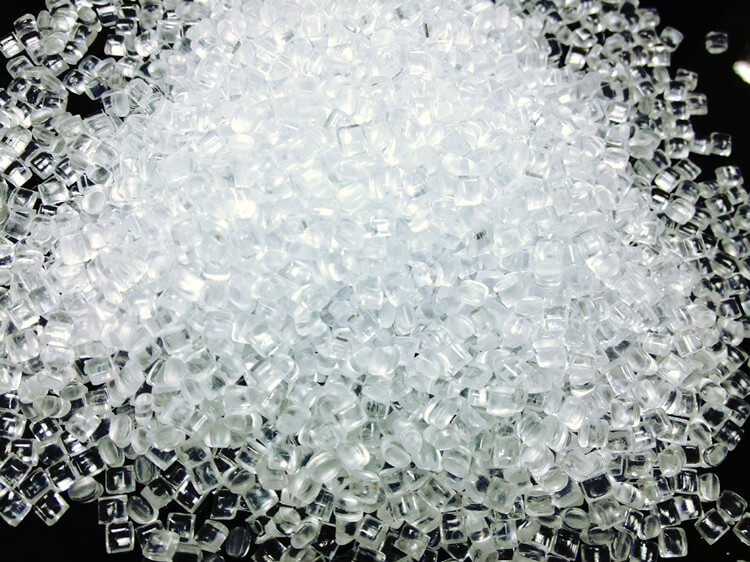
PC Transparent Engineering Plastics
Key Advantages
- Excellent optical transparency and light transmission
- High impact resistance and dimensional stability
- Superior surface finish for polished CNC parts
- Suitable for precision machining and injection molding
Typical Applications
Optical lenses, transparent covers, LED lighting components, display panels, medical devices, and electronic housings.
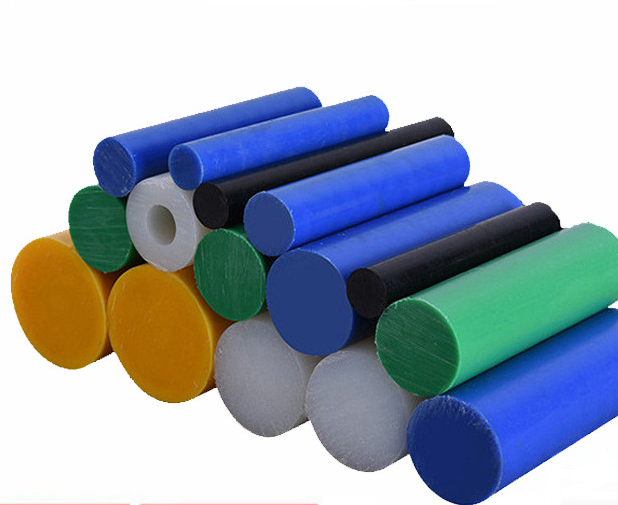
Nylon (PA6) Engineering Plastic Rods
Key Advantages
- Excellent machinability for CNC turning and milling
- High wear resistance and low friction coefficient
- Good mechanical strength and dimensional stability
- Suitable for complex precision plastic parts
Typical Applications
Gears, bushings, rollers, mechanical components, industrial fixtures, and automation equipment.
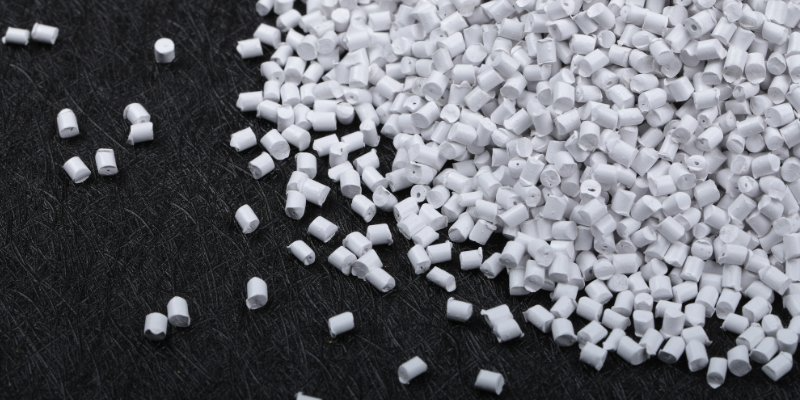
PE (Polyethylene) Engineering Plastic
Key Advantages
- Excellent chemical resistance against acids, alkalis, and moisture
- Lightweight with good impact resistance and flexibility
- Low friction coefficient and good wear resistance
- Outstanding electrical insulation properties
- Easy to process through injection molding, extrusion, and CNC machining
- Cost-effective material for large-scale industrial production
Typical Applications
Industrial containers, fluid handling systems, chemical tanks, pipe fittings, insulation components, cutting boards, packaging products, and lightweight mechanical parts.
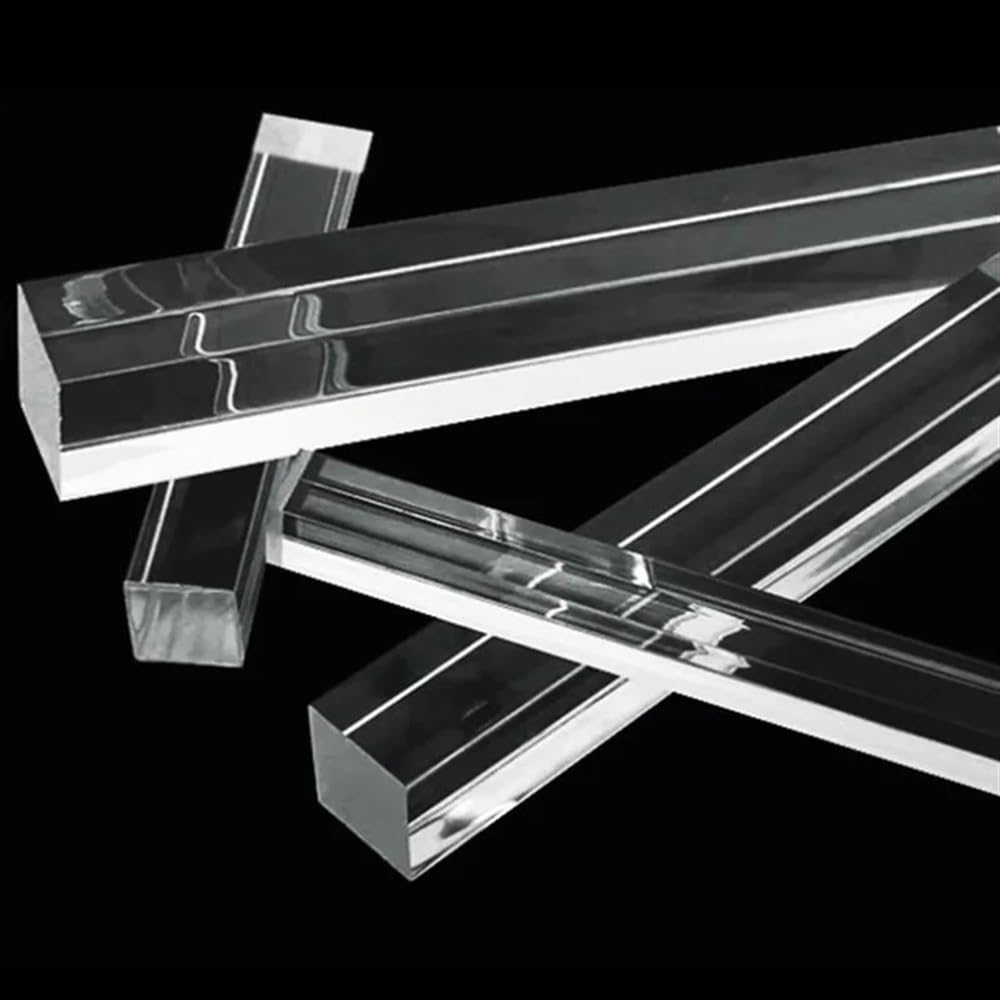
Acrylic / Polycarbonate (PC) Transparent Bars
Key Advantages
- Outstanding transparency and polished appearance
- Good weather resistance and durability
- Easy to CNC machine and fabricate
- High dimensional precision for custom parts
Typical Applications
Transparent prototypes, display equipment, protective covers, optical structures, signage, and industrial windows.
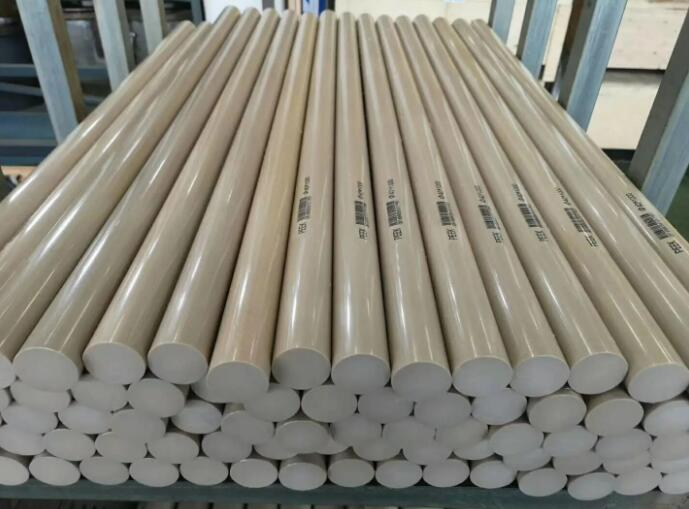
PEEK / PPS High-Performance Plastics
Key Advantages
- Exceptional heat resistance and chemical stability
- High mechanical strength under extreme conditions
- Excellent wear resistance and low deformation
- Suitable for aerospace and medical-grade applications
Typical Applications
Aerospace components, semiconductor equipment, medical devices, high-temperature seals, and precision industrial systems.
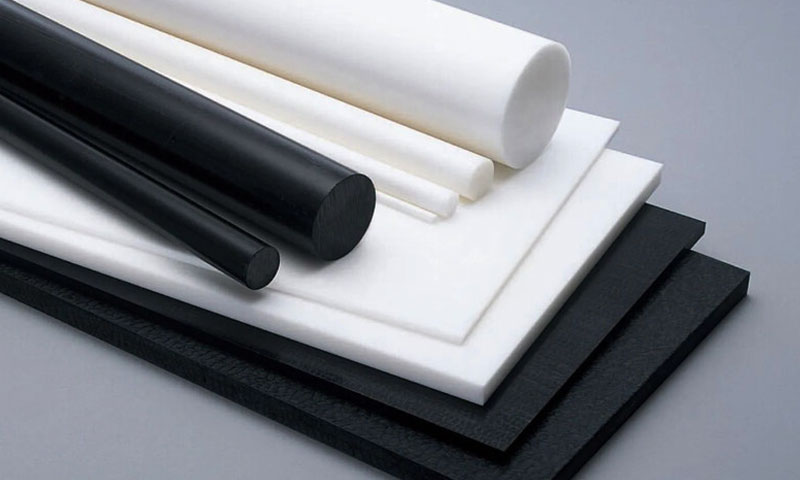
POM / PTFE Plastic Sheets & Rods
Key Advantages
- Low friction and excellent self-lubricating performance
- Superior chemical resistance and dimensional stability
- Excellent CNC machining performance
- Reliable for precision engineering applications
Typical Applications
Sliding components, seals, bearings, valve seats, guide rails, and precision CNC machined plastic parts.
ABS Injection Molding Materials
Key Advantages
- Excellent molding performance and production efficiency
- Good impact resistance and lightweight properties
- Cost-effective for high-volume manufacturing
- Wide range of color and surface finish options
Typical Applications
Consumer products, automotive interior parts, electronic enclosures, appliance housings, and industrial plastic components.
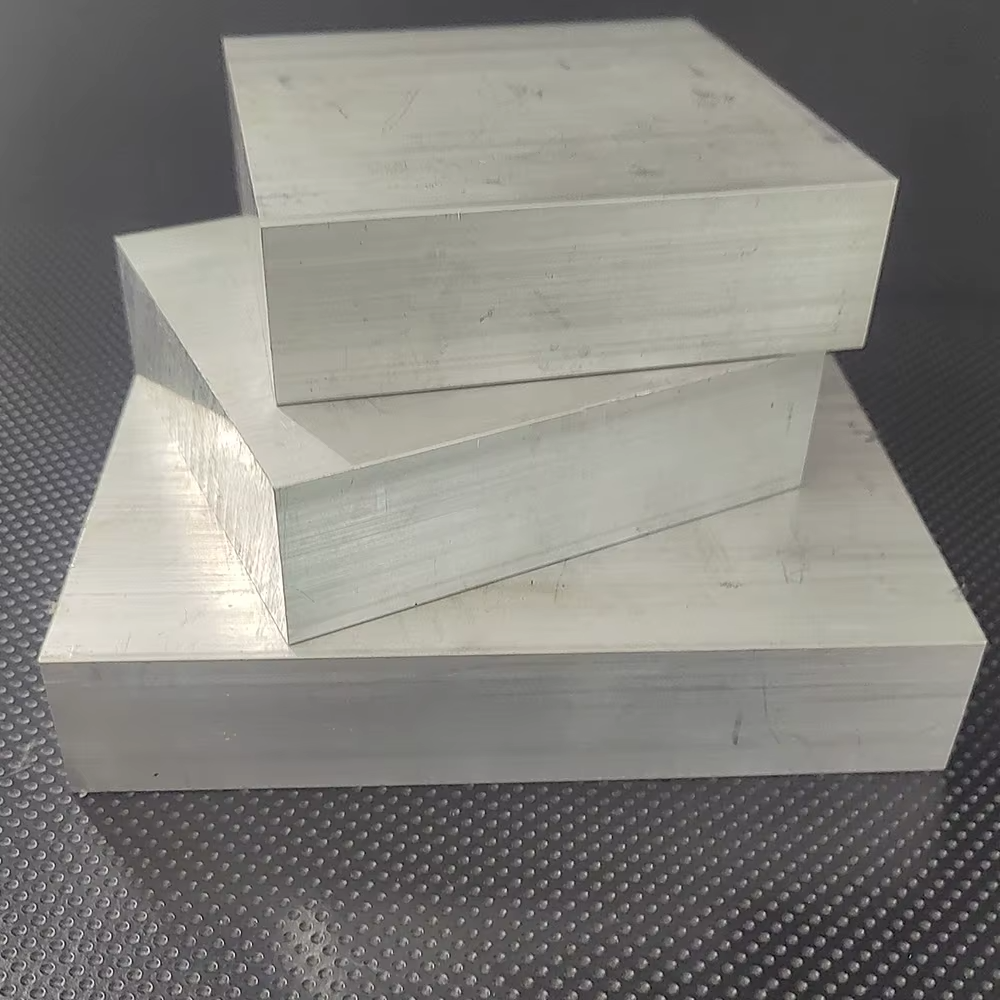
6061 & 7075 Aluminum for High-Speed CNC Manufacturing
Key Advantages
- Lightweight with excellent structural strength
- Outstanding machinability and cutting performance
- Good corrosion resistance and anodizing capability
- Suitable for rapid prototyping and precision milling
- Excellent dimensional stability for complex parts
Typical Applications
Aerospace parts, automotive components, robotics structures, electronic housings, industrial fixtures, and precision mechanical assemblies.
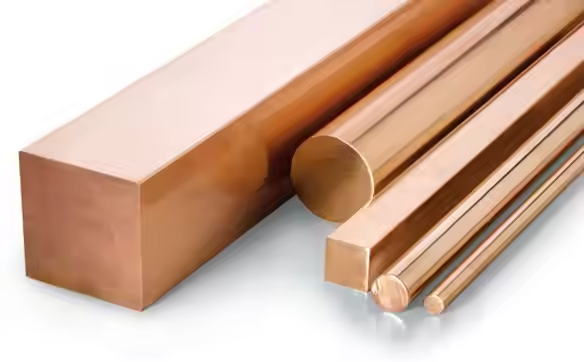
High-Conductivity Pure Copper for Precision Machining
Key Advantages
- Excellent electrical and thermal conductivity
- Outstanding corrosion resistance
- Ideal for EDM electrode fabrication
- Good ductility and forming performance
- Excellent heat dissipation capability
Typical Applications
EDM electrodes, heat sinks, electrical busbars, semiconductor components, power transmission systems, and industrial electrical equipment.
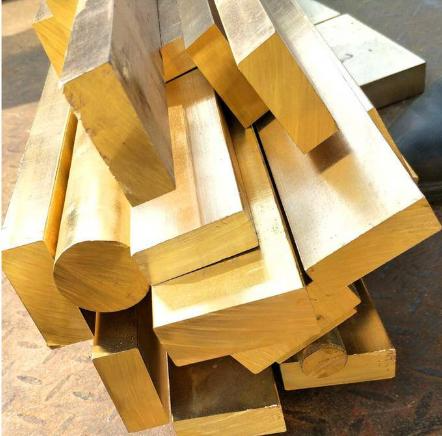
High-Precision Brass Materials for CNC Turning
Key Advantages
- Excellent machinability for automatic CNC lathes
- Superior electrical and thermal conductivity
- Good corrosion resistance and surface finish
- Reduced tool wear during high-speed machining
- Ideal for precision threaded and turned components
Typical Applications
Electrical connectors, brass fittings, valves, gears, fasteners, pneumatic parts, hydraulic components, and decorative hardware.
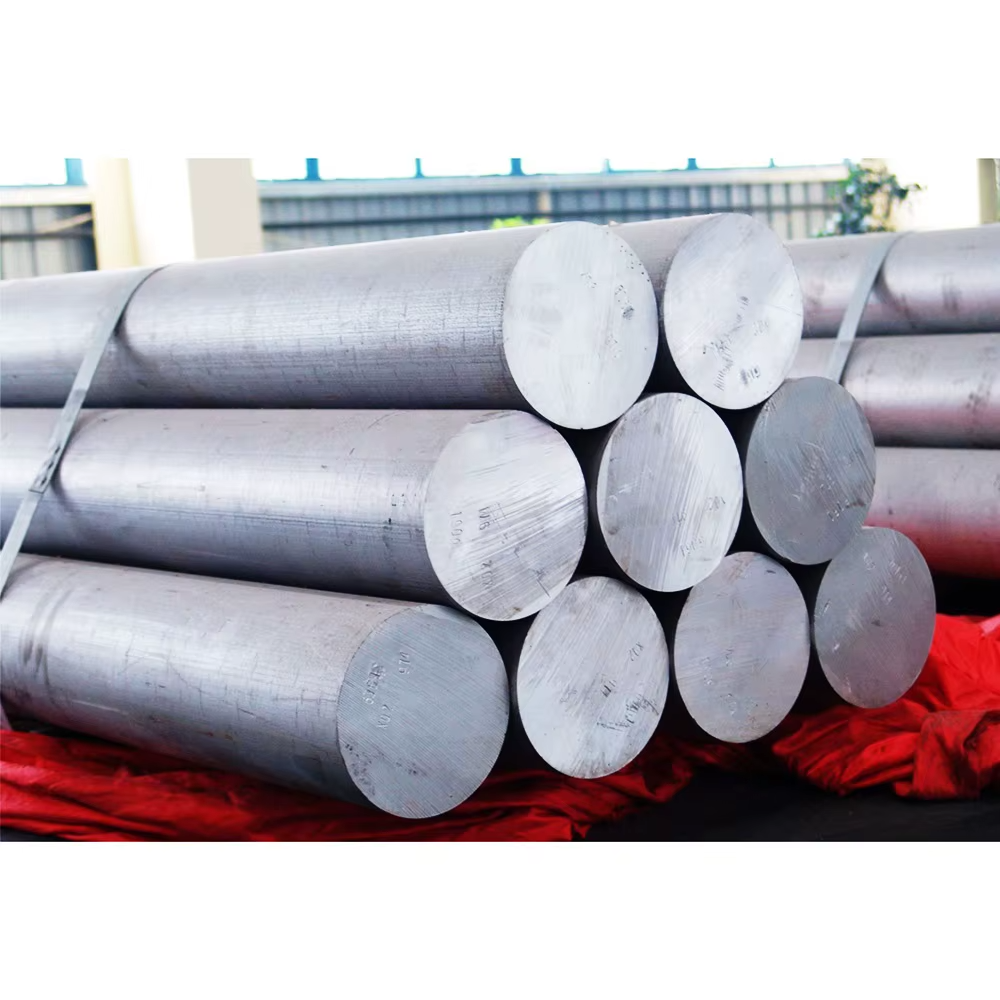
Carbon Steel Materials for Precision CNC Machining
Key Advantages
- Excellent mechanical strength and durability
- Good machinability for CNC turning and milling
- Cost-effective for large-scale industrial production
- Suitable for welding, heat treatment, and surface finishing
- Reliable dimensional stability for heavy-duty applications
Typical Applications
Mechanical shafts, industrial fixtures, automotive components, machine parts, structural supports, gears, and heavy equipment manufacturing.
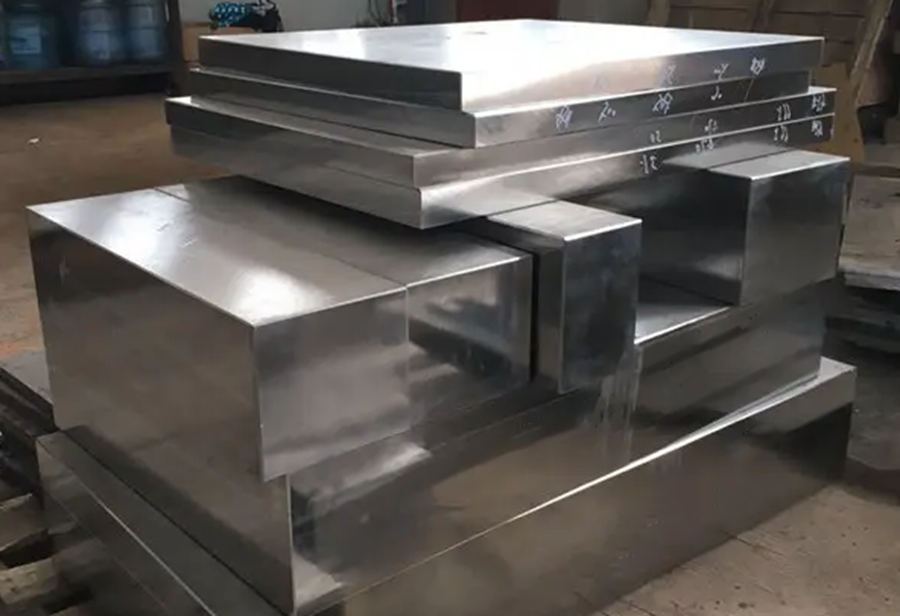
304 & 316 Stainless Steel for Corrosion-Resistant CNC Parts
Key Advantages
- Outstanding corrosion and oxidation resistance
- Excellent mechanical strength and durability
- Hygienic and easy-to-clean surface properties
- Good heat resistance and weldability
- Suitable for high-precision CNC machining and polishing
Typical Applications
Medical devices, food processing equipment, marine hardware, pharmaceutical machinery, industrial valves, and precision stainless steel housings.
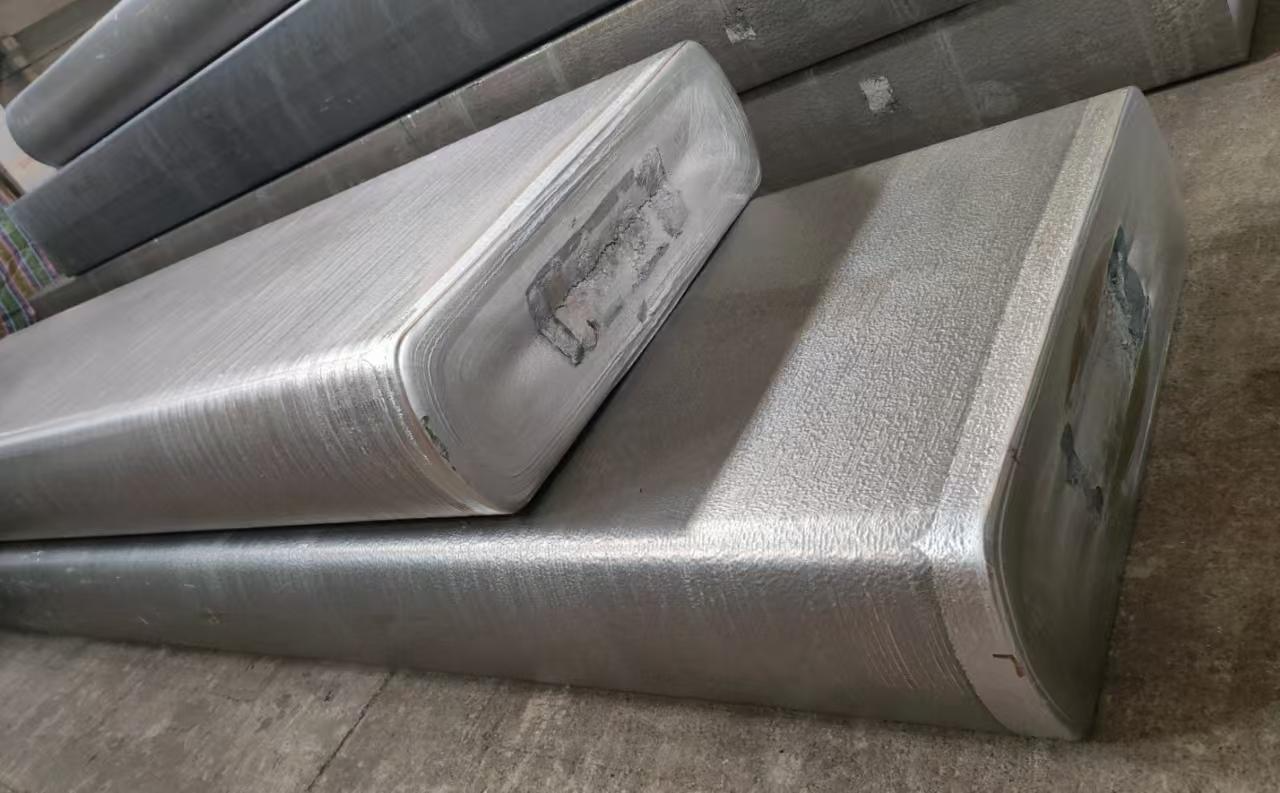
Lightweight Magnesium Alloys for Advanced CNC Machining
Key Advantages
- Extremely lightweight structural material
- High strength-to-weight ratio
- Excellent vibration damping performance
- Good machinability for precision components
- Suitable for advanced lightweight engineering systems
Typical Applications
Aerospace components, drone structures, portable electronics, automotive lightweight systems, robotics equipment, and defense engineering applications.
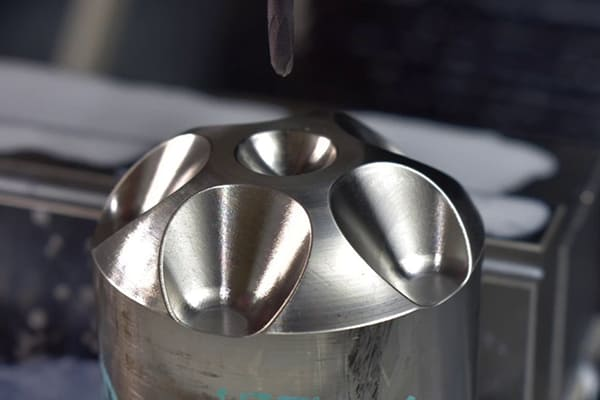
Grade 5 Titanium for Advanced 5-Axis CNC Machining
Key Advantages
- Exceptional strength-to-weight ratio
- Superior corrosion and heat resistance
- Excellent fatigue resistance under extreme conditions
- Biocompatible material for medical applications
- Ideal for complex 5-axis CNC machining operations
Typical Applications
Aerospace structures, medical implants, surgical instruments, racing components, drone parts, and advanced engineering systems.
| Material | Density(g/m³) | Tensile Strength(Mpa) | Yield Strength(Mpa) | Hardness(HB) | Machinability | Applications |
|---|---|---|---|---|---|---|
| Aluminum 6061 | 2.7 | 276 | 241 | 95 | Excellent | General-purpose, structural parts, jigs, fixtures |
| Aluminum 7075 | 2.8 | 572 | 503 | 150 | Good | High-strength parts, aerospace applications |
| Brass | 8.5 | 345-550 | 75-450 | 90-140 | Excellent | Decorative parts, fittings, hardware |
| Copper | 8.9 | 220 | 70 | 100 | Excellent | Electrical components, heat exchangers |
| Mild Steel | 7.85 | 400-550 | 250 | 120 | Good | General fabrication, structural components |
| Stainless Steel (304) | 8.0 | 515 | 215 | 200 | Moderate | Food-grade parts, chemical resistance, marine applications |
| Material | Density(g/m³) | Tensile Strength(Mpa) | Yield Strength(Mpa) | Hardness(HB) | Machinability | Applications |
| Stainless Steel (316) | 8.0 | 535 | 205 | 210 | Moderate | High temperature and corrosion resistance |
| Tool Steel | 7.8 – 8.5 | 600-3000 | 400-2500 | Fair | Molds, dies, cutting tools | |
| Inconel (Nickel Alloy) | 8.8 | 758 | 483 | 230 | Difficult | High-temperature applications, corrosion resistance |
| Titanium | 4.5 | 950 | 880 | 36 HRC | Difficult | Aerospace parts, medical implants, high-performance applications |
| ABS | 1.05 | 40-50 | 40 | 75R | Excellent | Prototypes, enclosures, consumer goods |
| PMMA | 1.18 | 70 | 70 | M70 | Excellent | Signs, displays, optical parts |
| POM | 1.42 | 63 | 63 | R120 | Excellent | Bushings, gears, precision parts |
| PC | 1.2 | 60-70 | 60-70 | M70 | Excellent | Impact-resistant parts, safety shields, enclosures |
| Material | Key Properties |
|---|---|
| ABS | High-strength, general-purpose engineering plastic |
| ASA | UV-resistant ABS alternative, ideal for outdoor use |
| CA | Transparent, flexible, suitable for food contact |
| HDPE | Excellent strength-to-weight ratio, chemical resistant |
| LCP | High-temp stability, low dielectric, ideal for micro parts |
| LDPE | Flexible, tough, chemical resistant |
| PA 6 | High strength, heat and chemical resistance |
| PA 6/6 | Higher rigidity and thermal stability than PA6 |
| PARA | High rigidity, low creep, low moisture absorption |
| PBT | Durable electrical insulator, automotive-grade |
| PBT-PET | Blended polyester with balanced performance |
| PC | Transparent, impact-resistant, high detail |
| PC-ABS | Strong, tough, improved flexibility vs PC |
| PC-PBT | Rigid, chemical and solvent resistant |
| PC-PET | Tough, chemical resistant, solvent durable |
| PCT | Low moisture absorption, high stability |
| PE | Versatile, chemical resistant, widely used |
| PEEK | Ultra-high strength, heat and wear resistant |
| PEI | High heat and flame resistance, cost-effective |
| PE-PP | Polyolefin blend with balanced properties |
| PE-PS | Blend with improved rigidity and processability |
| PES | Transparent, sterilizable, chemically resistant |
| PET | Clear, strong, food-safe, recyclable |
| PLA | Biodegradable, low heat resistance |
| PMMA | Clear, weather-resistant, glass-like |
| POM | Low friction, wear resistant, moisture stable |
| PP | Lightweight, chemical resistant, low moisture absorption |
| PPA | High-temp nylon, chemical resistant |
| PPS | Extreme chemical and heat resistance |
| PS | Rigid, brittle, low-cost transparent plastic |
| PS-PPE | High heat resistance, strong and stiff |
| PSU | High-performance, transparent, heat resistant |
| PVC | Rigid, durable, widely used in piping |
| PVDF | Chemically inert, low friction, high temp resistant |
| SAN | Transparent, glossy, improved PS strength |
| TPO | Flexible, chemical resistant, lower heat tolerance |
| TPU | Tough, elastic, abrasion resistant |