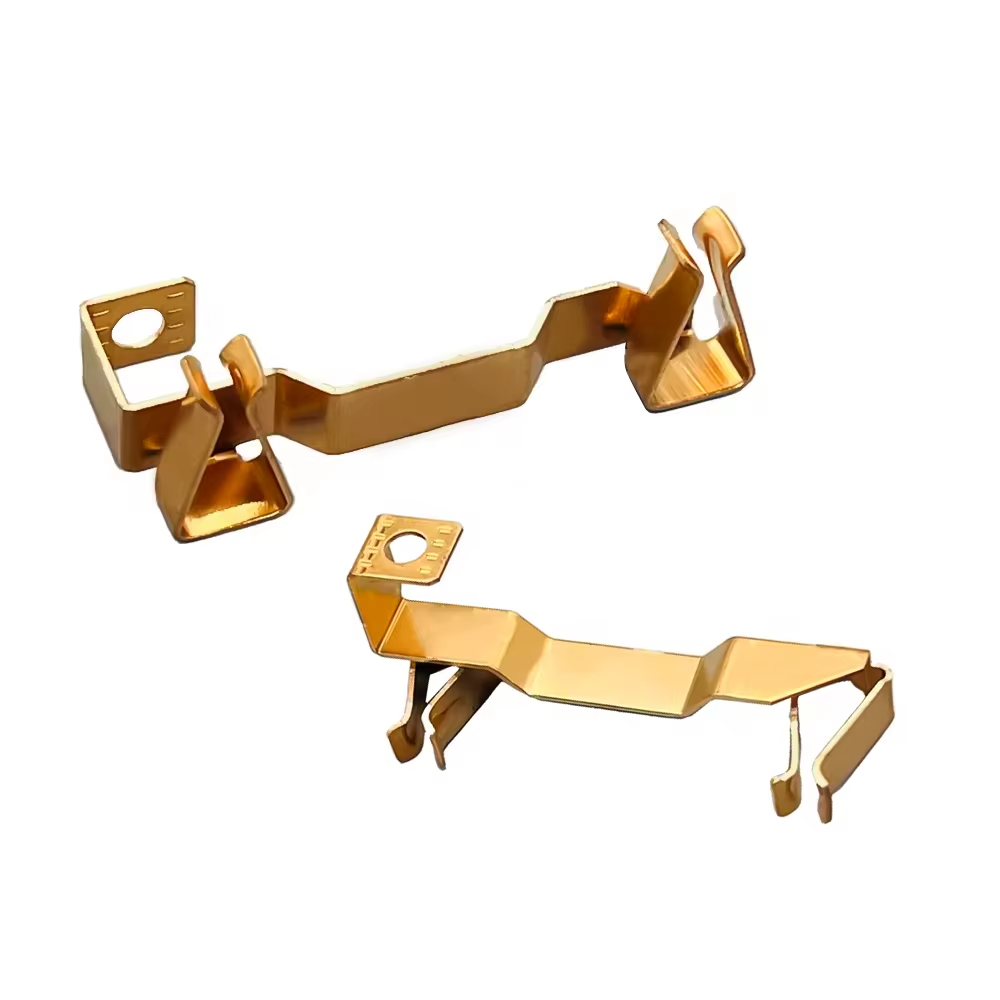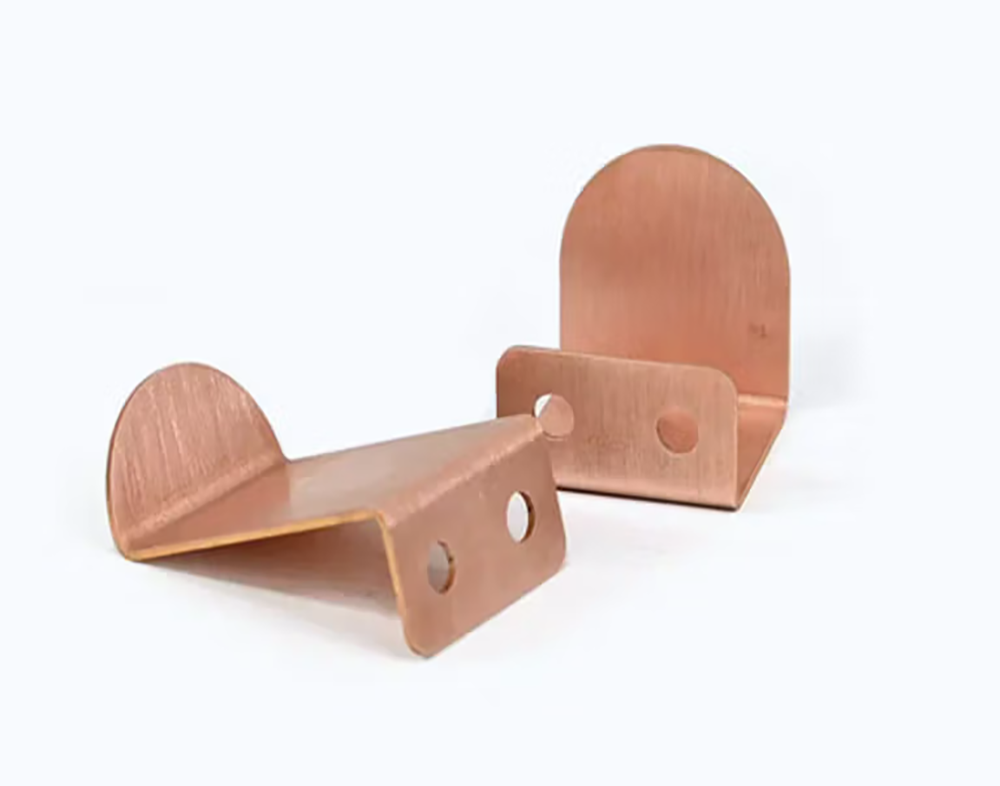

Comprehensive Precision Sheet Metal Fabrication & Assembly Solutions
From precision laser cutting and CNC bending to welding and final assembly, we deliver complete sheet metal manufacturing solutions for complex industrial applications.
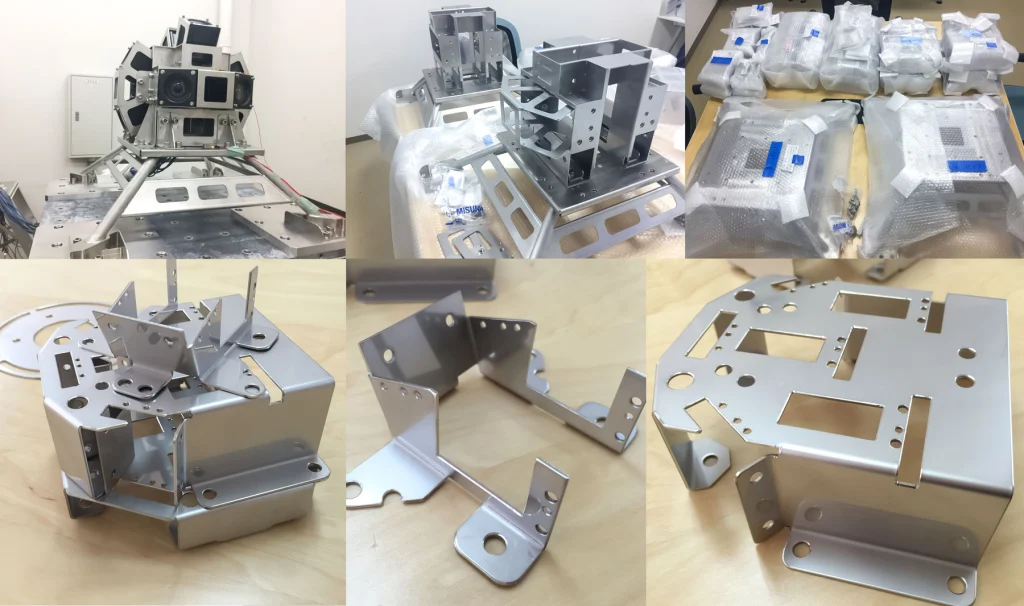
End-to-End Sheet Metal Solutions: From Fabrication to Final Assembly & Packaging
From precision fabrication and structural assembly to protective packaging, we deliver fully integrated sheet metal manufacturing solutions ready for immediate deployment.
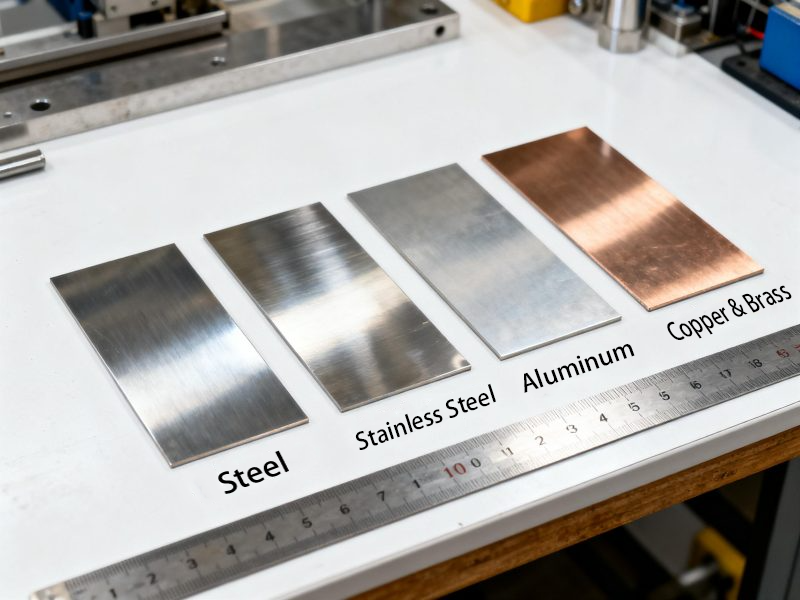
Wide Range of Sheet Metal Materials for Custom Fabrication
We offer a wide selection of sheet metal materials, including carbon steel, stainless steel, aluminum, and copper alloys, to meet diverse fabrication requirements across industries.
Each material is carefully chosen to achieve specific performance targets such as strength, corrosion resistance, weight reduction, and long-term durability.
From corrosion-resistant stainless steel to lightweight aluminum and high-conductivity copper alloys, our material solutions are engineered to optimize performance, cost efficiency, and manufacturability for your applications.
Aluminum Grades Used in Sheet Metal Fabrication
Aluminum 6061 (T6/T651):
A heat-treated structural alloy popular in aviation for its strength and corrosion resistance.
Although it offers moderate formability and weldability, it is extensively used in boats, automotive components, and bicycles due to its robust performance and durability.
Aluminum 5052 (H32):
Provides significantly higher strength than 6061 while maintaining excellent weldability, formability, and corrosion resistance.
Ideal for demanding applications such as tanks and chassis where robust performance and structural integrity are essential.
Aluminum 1100 (H14):
Recognized for its outstanding ductility and exceptional weldability, making it highly suitable for deep drawing and forming processes.
Despite its lower strength, its economic purity, along with strong resistance to chemicals and weather, makes it a preferred choice for chemical processing applications.
Aluminum 3003 (H14):
Offers a balance of improved strength over 1100 while retaining high malleability, weldability, and corrosion resistance.
Commonly used in storage solutions such as cabinets and tanks, and well-suited for stamping and drawing operations.
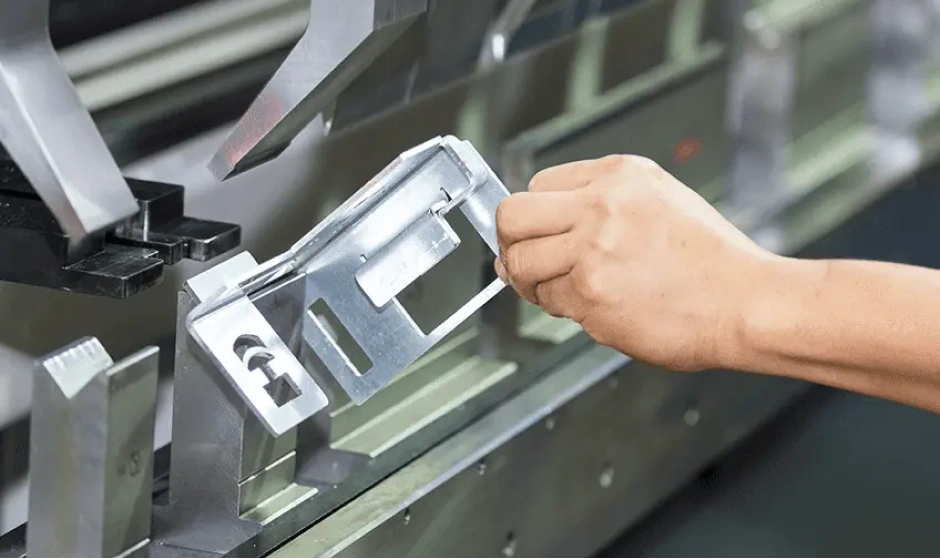
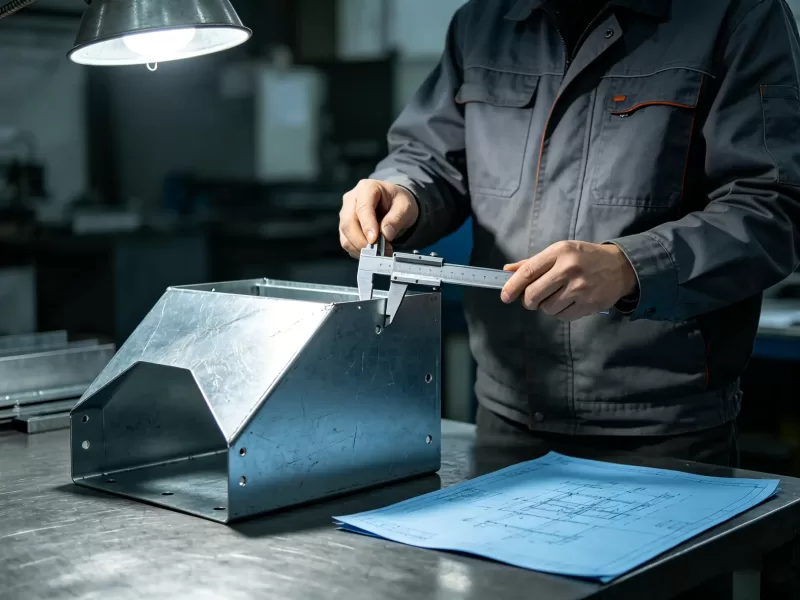
Steel Grades in Sheet Metal Fabrication
- Cold Rolled Steel 1008
- A cost-effective, low-carbon steel widely used for general-purpose applications. It delivers a balanced combination of moderate strength and toughness, along with excellent weldability and formability. Ideal for cold forming processes such as deep drawing, cold heading, upsetting, and precision stamping.
- Cold Rolled Steel 1018
- A versatile low-carbon steel with higher manganese content, making it well-suited for carburizing. Cold drawing enhances its tensile and yield strength while improving surface hardness and wear resistance, though with slightly reduced ductility. Commonly used for components requiring good machinability and a hardened surface layer.
- Low Carbon Steel (≤ 0.2% Carbon)
- Known for its excellent weldability, ductility, and ease of forming, low carbon steel is highly adaptable in fabrication processes and allows efficient heat transfer. It is also more economical than stainless steel, making it a practical choice for many applications. However, its lower corrosion resistance and strength can limit performance in harsh or moisture-prone environments.
Common Stainless Steel Grades for Sheet Metal Fabrication
- Stainless Steel 301
A cost-effective austenitic stainless steel containing approximately 17% chromium and 7% nickel. It offers excellent strength and ductility, especially after cold working, making it ideal for demanding forming applications. While its corrosion resistance is slightly lower than 304, it remains suitable for many industrial environments. Stainless steel 301 is widely used in sheet metal fabrication for structural components, rail transportation parts, and appliance housings due to its strong work-hardening capability and good weldability. - Stainless Steel 304
One of the most widely used stainless steel grades in sheet metal fabrication, 304 stainless steel contains 18–20% chromium and 8–10.5% nickel. It provides outstanding corrosion resistance against chemicals, moisture, and industrial environments, along with excellent formability and weldability. Although not heat-treatable, it may become slightly magnetic after cold working. Stainless steel 304 is commonly used in food processing equipment, storage tanks, kitchen components, and structural sheet metal parts.
- Stainless Steel 316
A premium-grade stainless steel that includes molybdenum in its composition, significantly enhancing corrosion resistance. Stainless steel 316 performs exceptionally well in harsh environments, including marine, chemical, and high-chloride conditions. It maintains excellent weldability, strength, and formability, making it a top choice for high-performance sheet metal fabrication. Typical applications include chemical processing equipment, marine hardware, medical devices, and components exposed to aggressive corrosive environments.
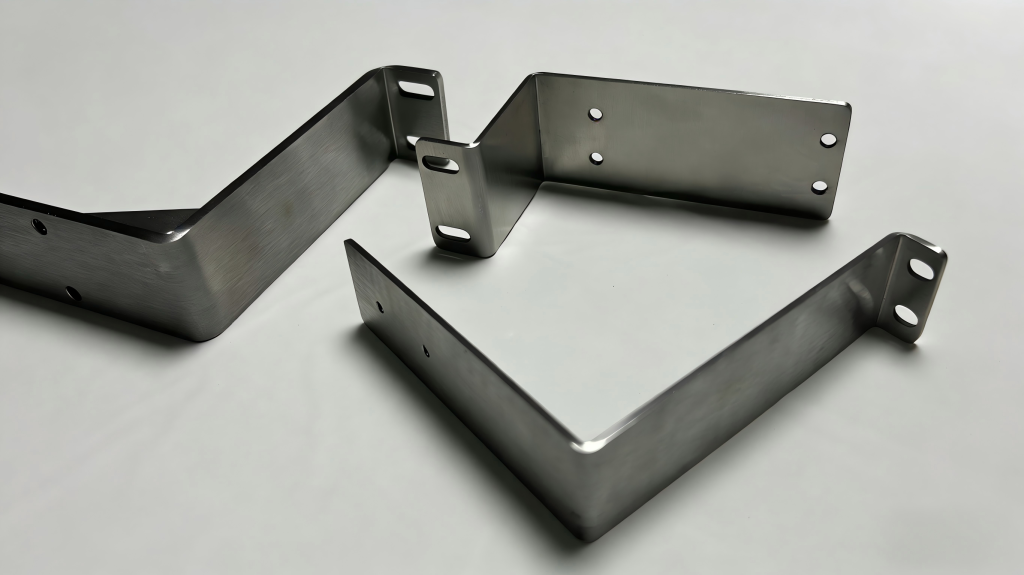
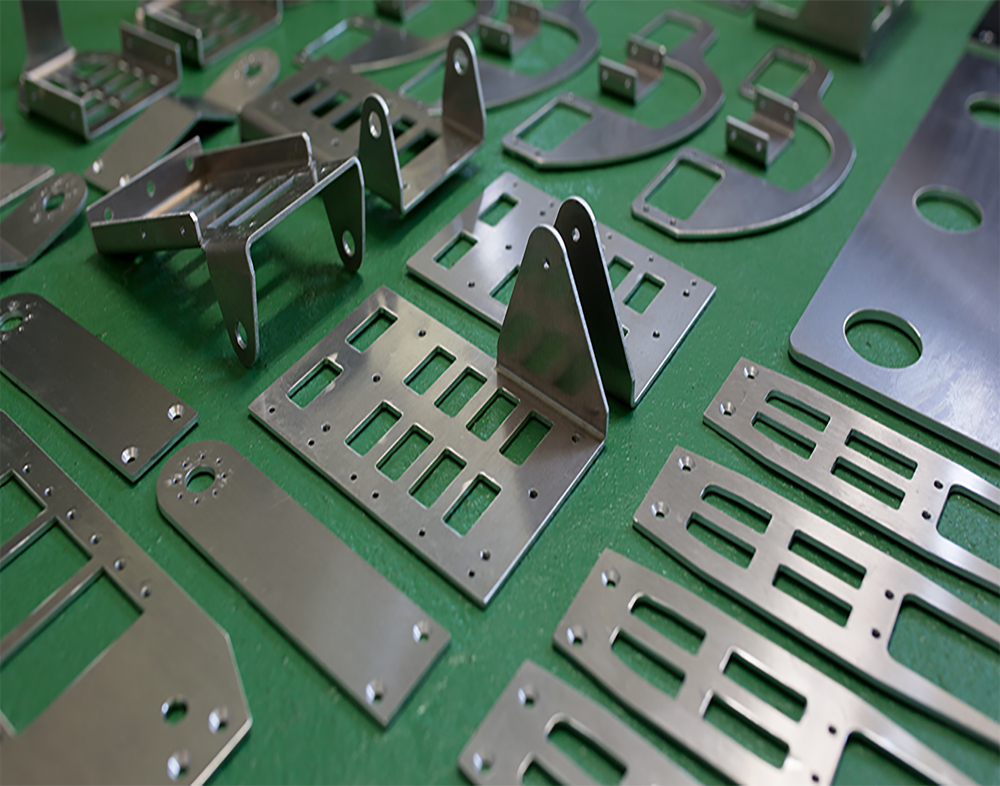
Brass & Copper Sheet Metal Types for Fabrication and CNC Machining
- Alloy C353 (Leaded Brass)
C353 leaded brass contains up to 3.5% lead, specifically engineered for improved machinability and pressure-tight sealing. Its reduced shrinkage and excellent cutting performance make it ideal for high-volume CNC machining and precision components. Common applications include screws, valves, fittings, bearings, specialty fasteners, and architectural hardware. This alloy is a top choice for manufacturers seeking cost-effective, high-precision brass sheet metal parts. - Alloy C260 (Cartridge Brass / 70-30 Brass)
C260 brass, also known as cartridge brass, is a copper-zinc alloy with a 70/30 composition that delivers excellent ductility, formability, and a distinctive golden appearance. Widely used in sheet metal fabrication, stamping, and deep drawing, it is suitable for both functional and decorative CNC-machined parts. Typical applications include enclosures, connectors, ammunition casings, and aesthetic hardware components. - Alloy C464 (Naval Brass)
C464 naval brass is a high-performance copper alloy designed for superior corrosion resistance in marine and high-moisture environments. Its added tin content enhances durability in saltwater exposure, making it ideal for marine-grade sheet metal fabrication and CNC machining. Common uses include propeller shafts, marine fasteners, ship hardware, ornamental fittings, and heavy-duty turnbuckles. This alloy is widely specified for harsh, corrosive operating conditions.
- Copper Alloys in Sheet Metal Fabrication
Copper sheet metals are valued for their excellent electrical conductivity, thermal performance, and corrosion resistance. High-purity copper alloys are widely used in electrical, industrial, and thermal management applications. - C101 (Oxygen-Free Copper, 99.99% Cu)
C101 copper offers ultra-high electrical conductivity and superior ductility, making it ideal for precision sheet metal fabrication and forming processes. Its low oxygen content improves performance in high-vacuum and high-conductivity applications. Common uses include grounding strips, busbars, anodes, and high-performance electrical components. - C110 (ETP Copper, 99.90% Cu)
C110 electrolytic tough pitch (ETP) copper is the most widely used commercial copper grade, offering an optimal balance of conductivity, cost, and manufacturability. It is extensively used in sheet metal fabrication for electrical and thermal applications, including heat exchanger fins, electrical contacts, switch components, and conductive plates.