


CNC Machining Process
The CNC machining process usually includes the following stages:
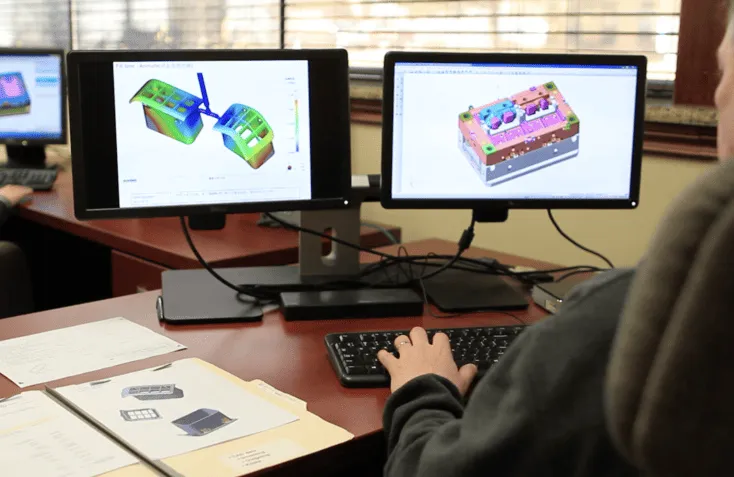
- Part Design: The first step is to create the part design using computer-aided design (CAD) software. This design includes all the dimensions and specifications necessary for production.
- CNC Programming: From the CAD design, a CNC program is generated using CAM (Computer Aided Manufacturing) software. This program converts the design into instructions that the CNC machine can understand.
- Machine Configuration: The operator configures the CNC machine, including installing the appropriate cutting tool and clamping the material to be machined.
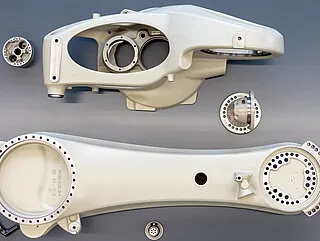
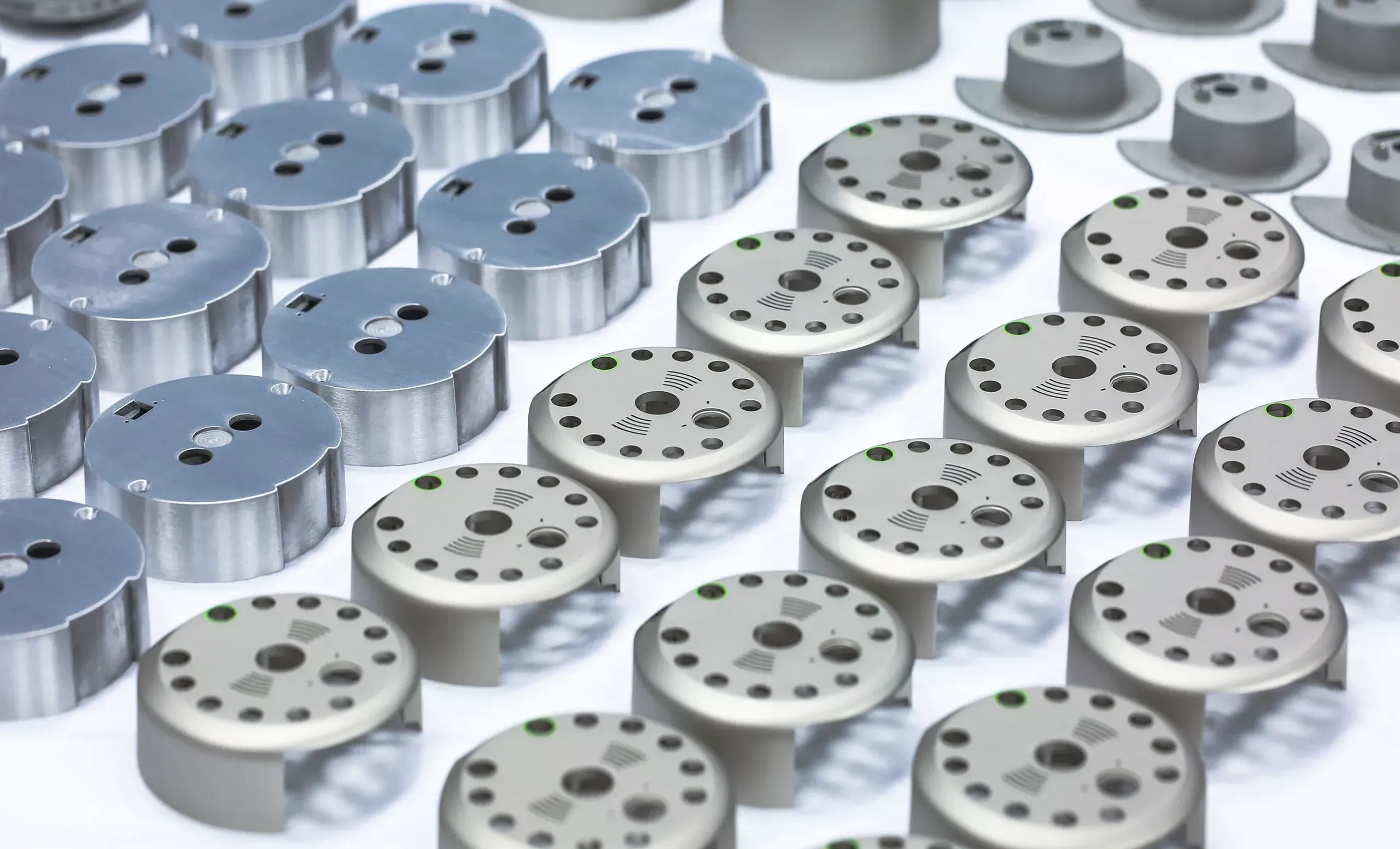
- Machining: Once the machine is set up, the machining process begins. The machine executes the CNC program instructions, moving the cutting tool and material precisely to remove material and shape the part.
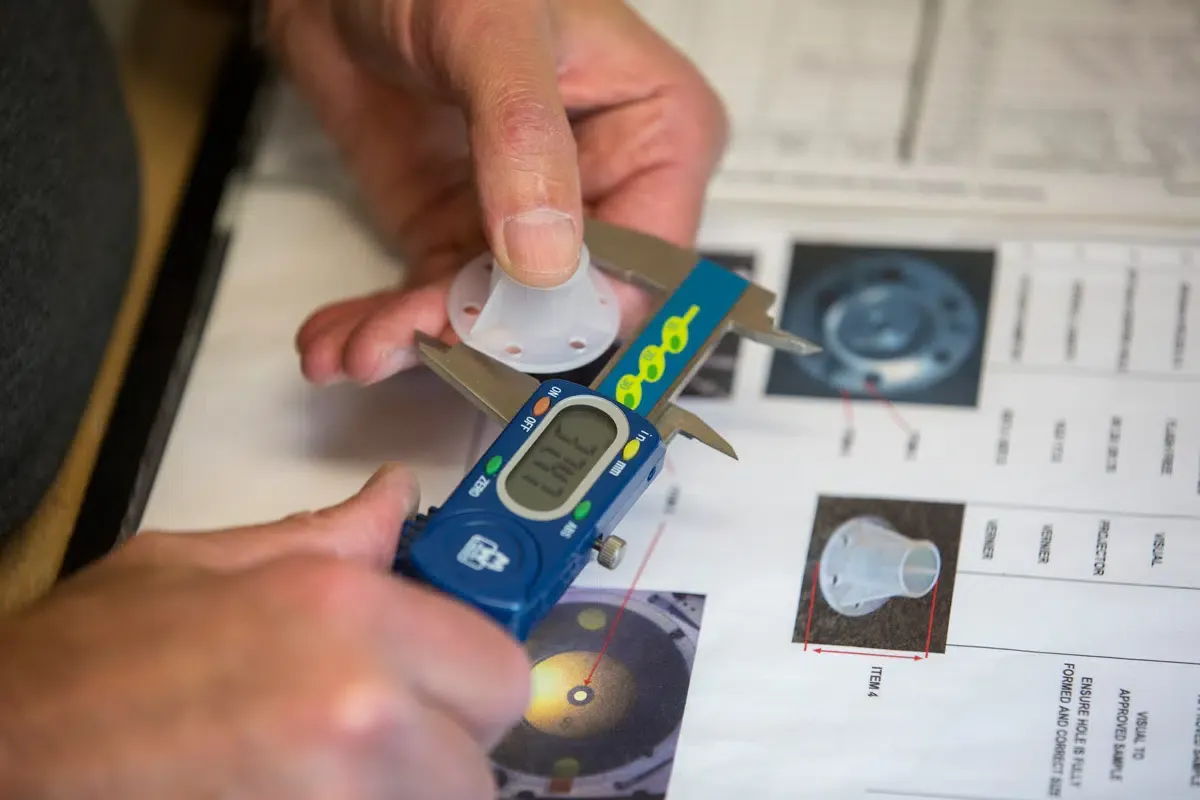
- Inspection and Finishing: Finally, the machined part is inspected to ensure that it meets specifications. It may require additional finishing operations to improve its surface or accuracy.
Types of CNC Milling Machines and Lathes
A Vertical Machining Center is a machine that has a spindle fixed in a specific position, while the table moves towards it to perform machining. On some models, the table can be raised to meet the spindle or, alternatively, the spindle can move vertically. These machines are known for their rigidity and ability to create components with great precision, although their working area can be relatively limited. CMVs are available in 3-axis (X, Y, Z), 4-axis (X, Y, Z, and A), and even 5-axis (X, Y, Z, A, and B) variants, allowing them to perform complex operations.