


What is Computer-Aided Design?
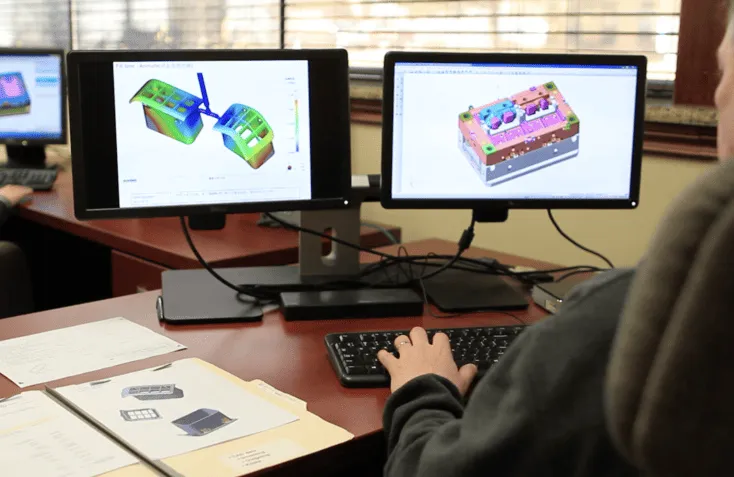
Computer-Aided Design (CAD) refers to the use of computer systems to aid in the creation, modification, analysis, or optimization of a design. Put simply, CAD is a type of software that allows engineers and designers to create products, technical drawings, and models on a computer rather than a drawing board.
Modern CAD packages can also frequently let an operator approaches design in a different manner, producing three-dimensional, solid volumes or surface models, instead of two-dimensional projected views. As a result, computer-aided design has become an especially important technology that engineers, architects, and even fashion designers employ in their design processes.
Short History of Computer-Aided Design
The history of computer-aided design dates back to the 1960s when engineers used it as a drafting tool. Back then, CAD systems were high-speed, standalone mainframes that were not user-friendly and were only used for very specific applications.
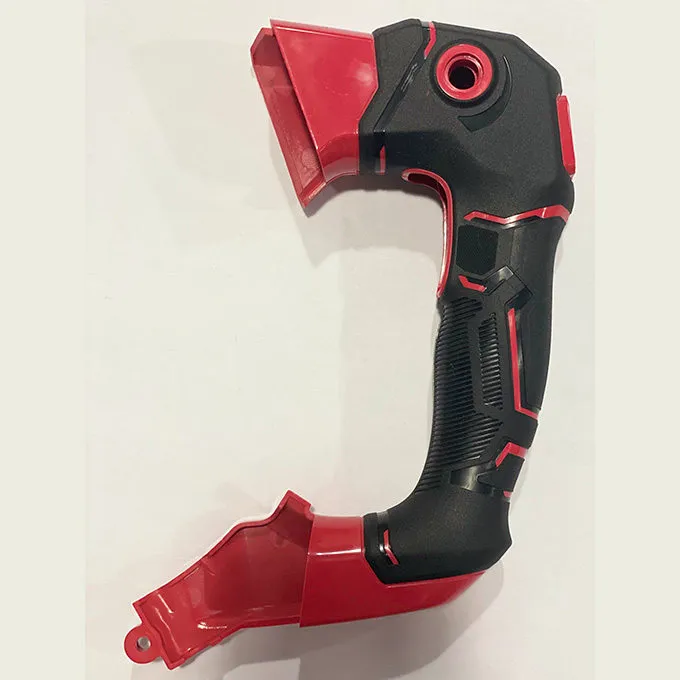
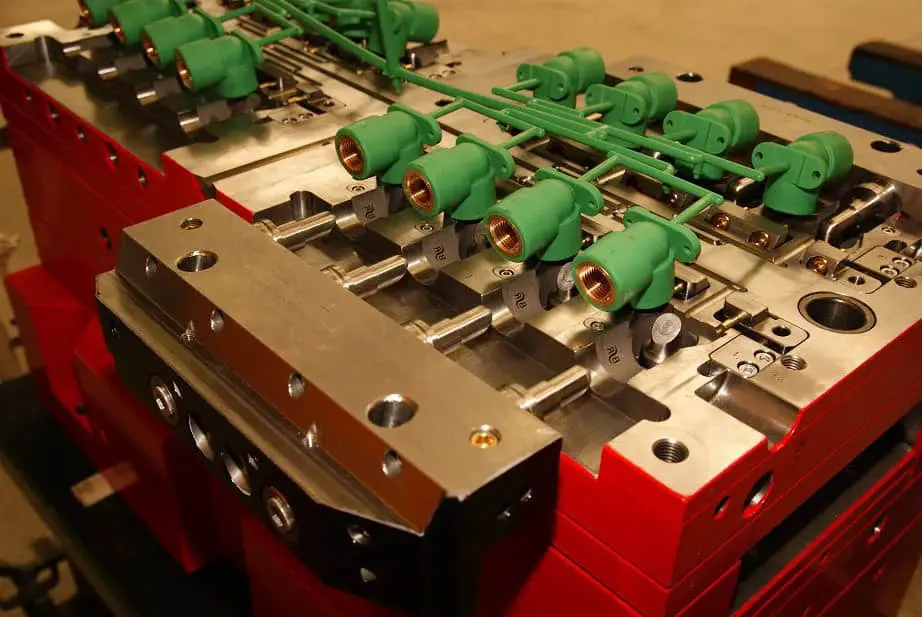
However, with the evolution of computers and technology, computer-aided design transformed from a basic drafting system into a more robust and intuitive design tool. Today, it’s used for a wide range of applications, from conceptual design and layout of products to definition of manufacturing methods of components.